
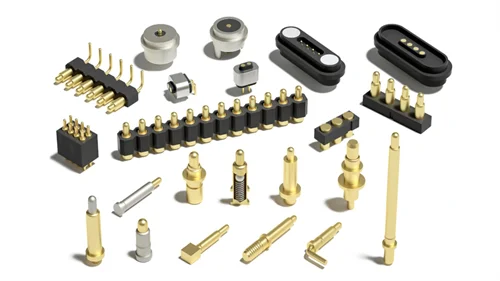
HVIL Cables
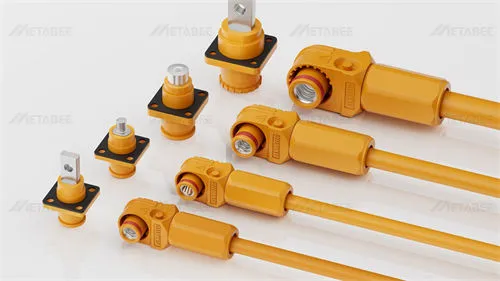
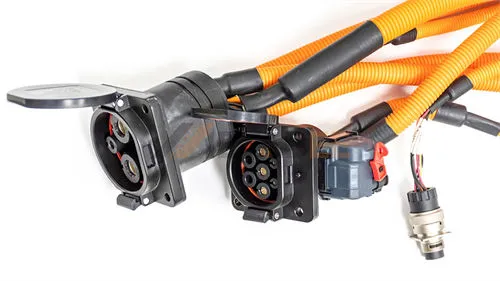
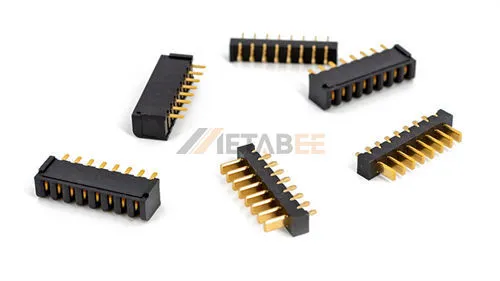
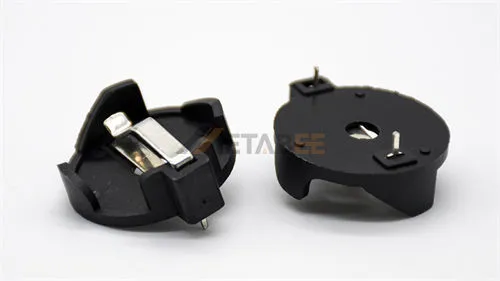
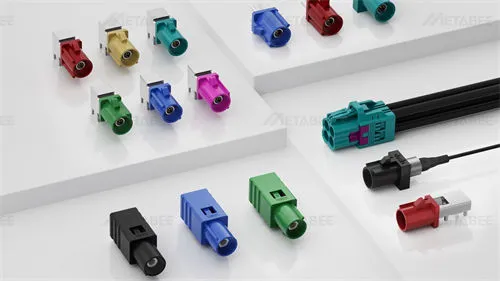
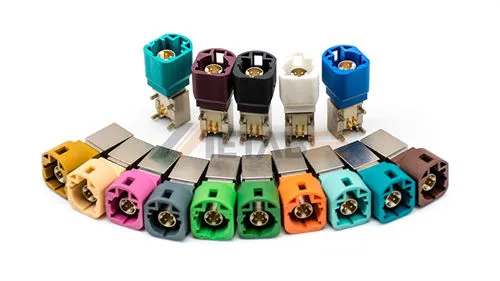
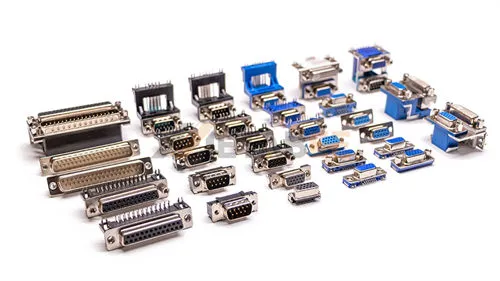
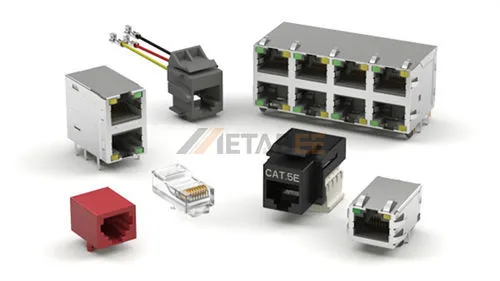
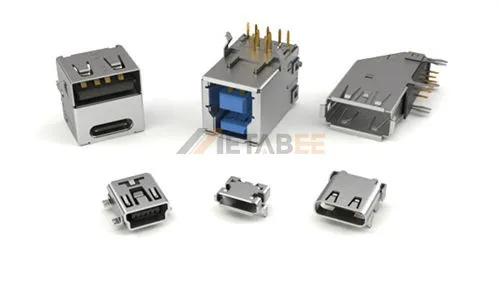
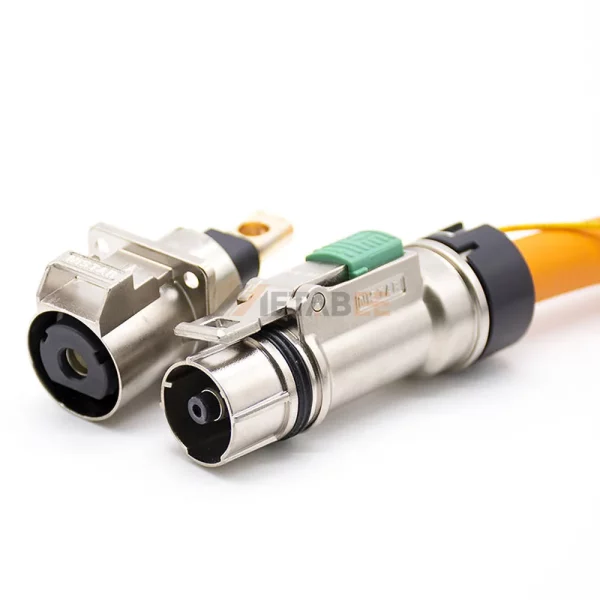
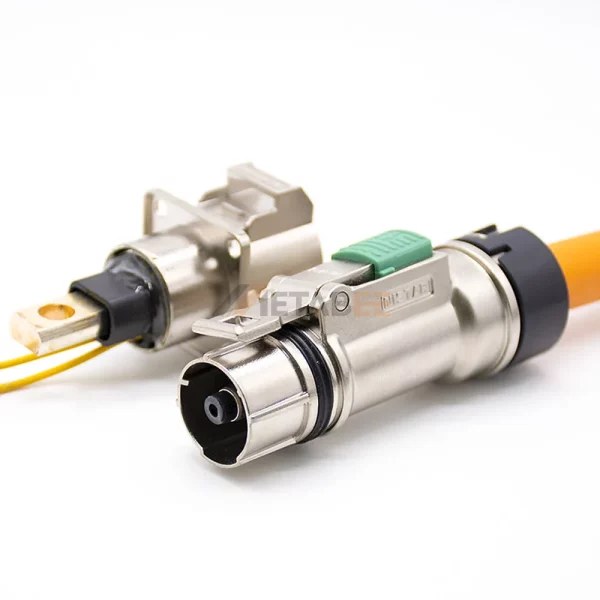
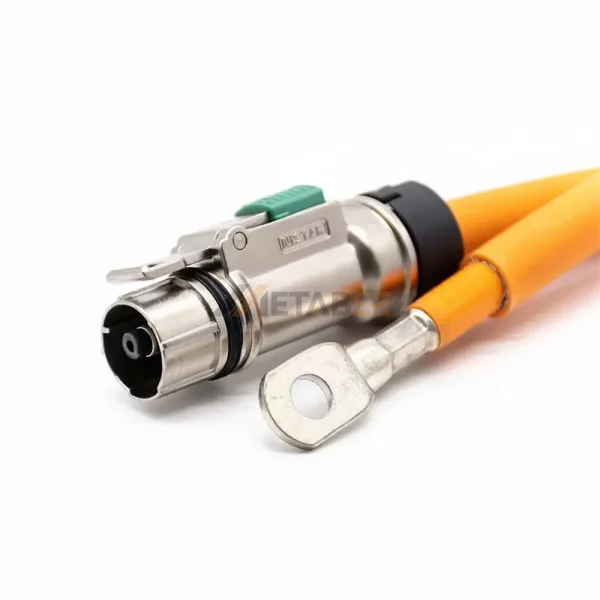
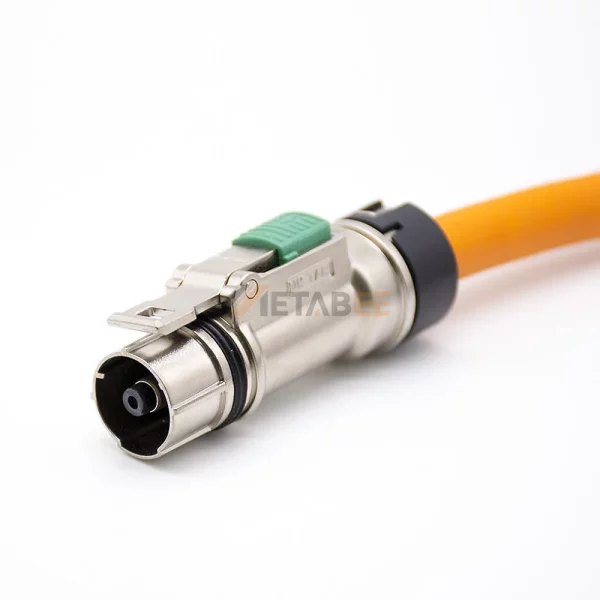
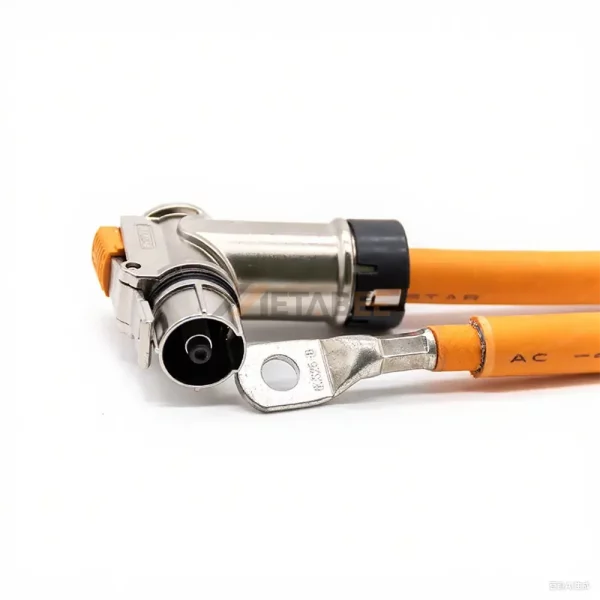
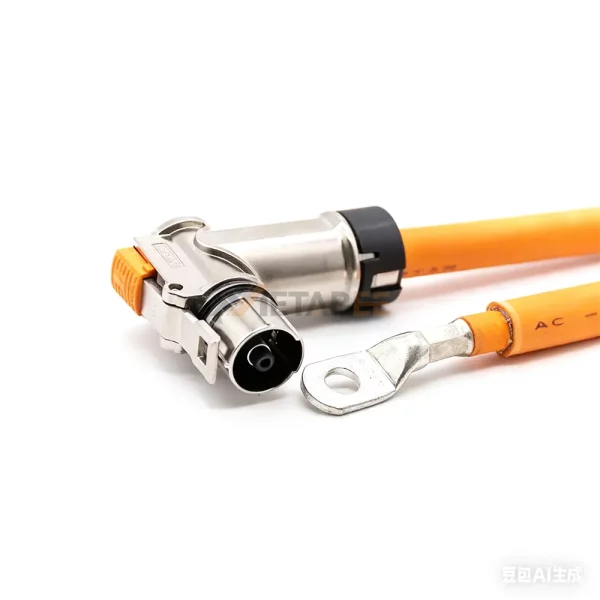
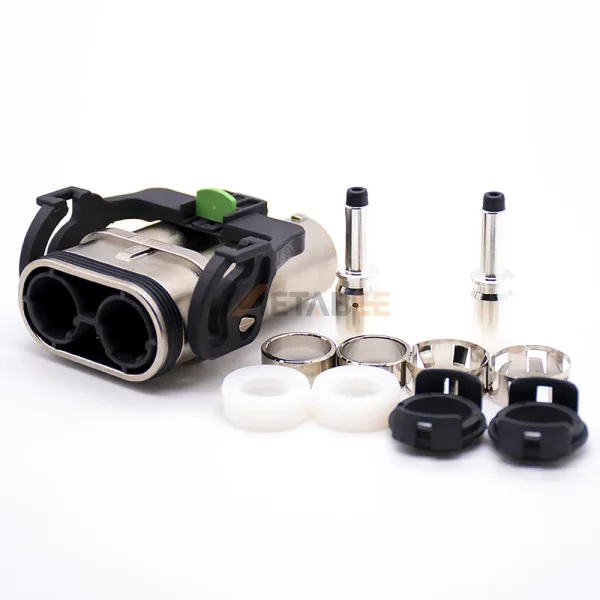
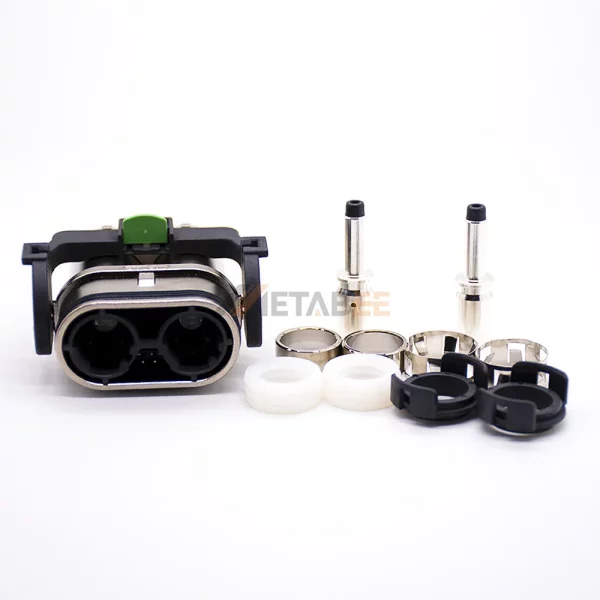
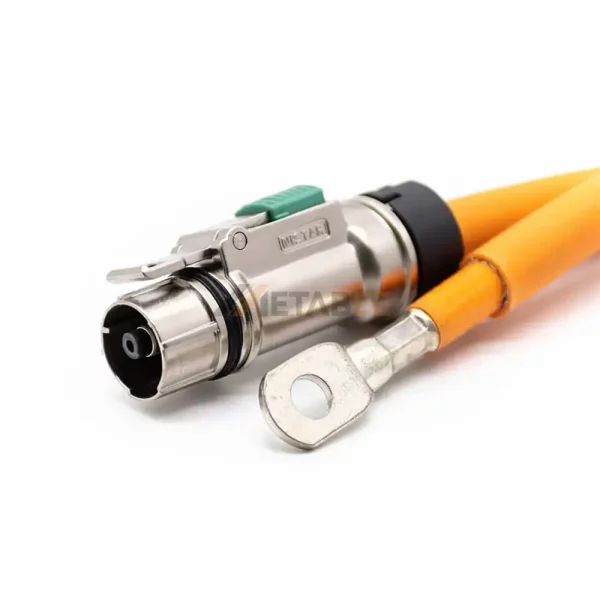
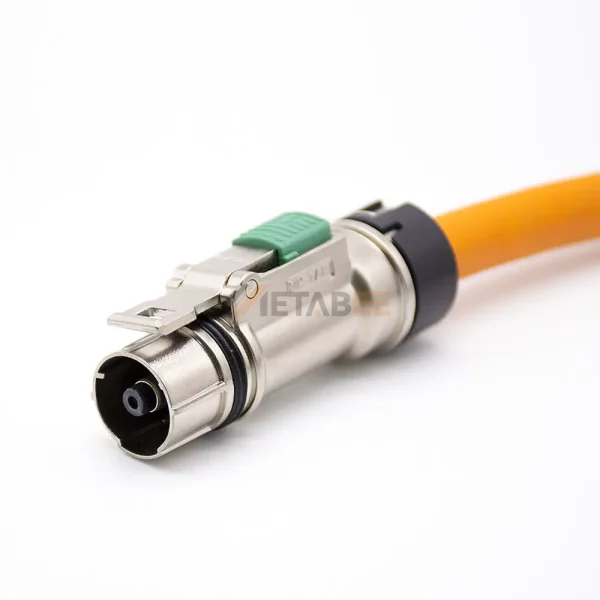
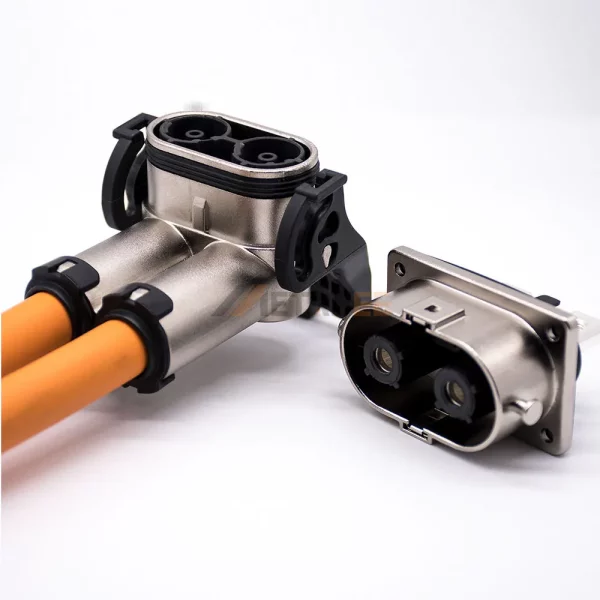
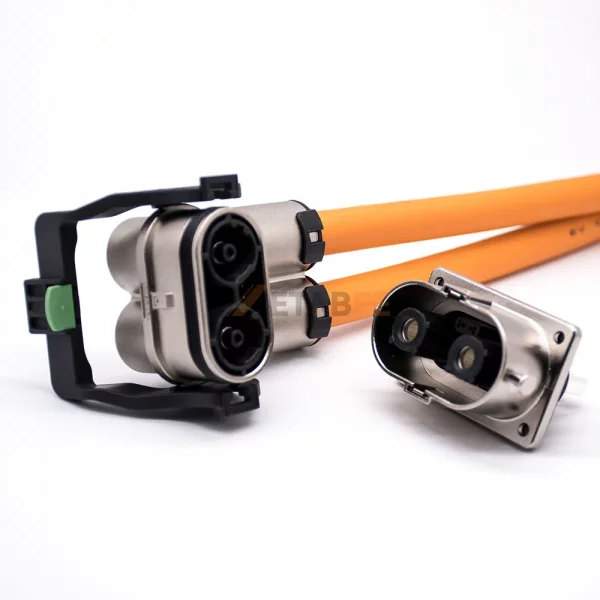
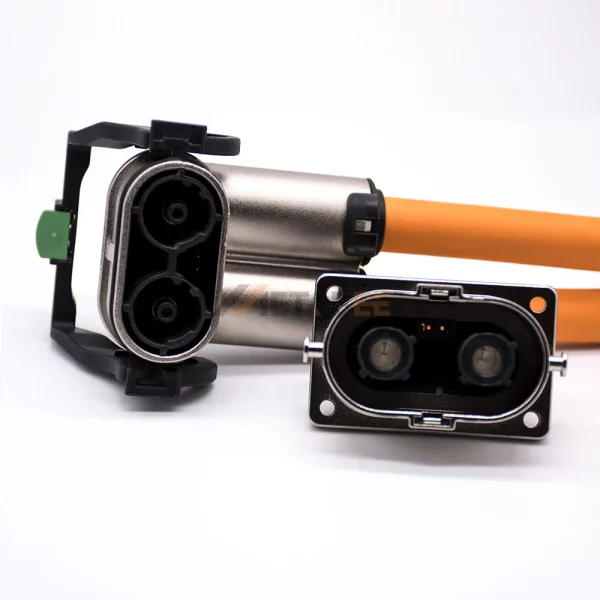
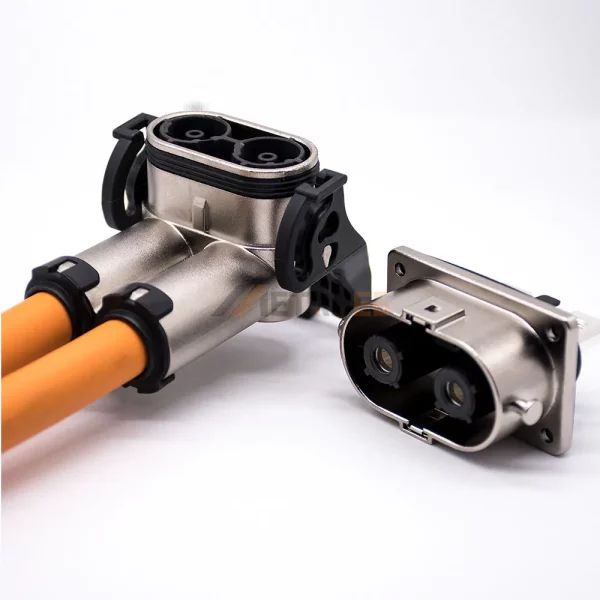
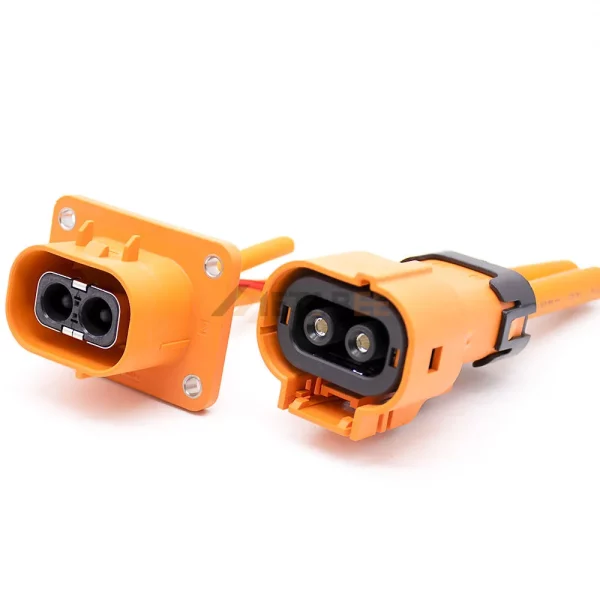
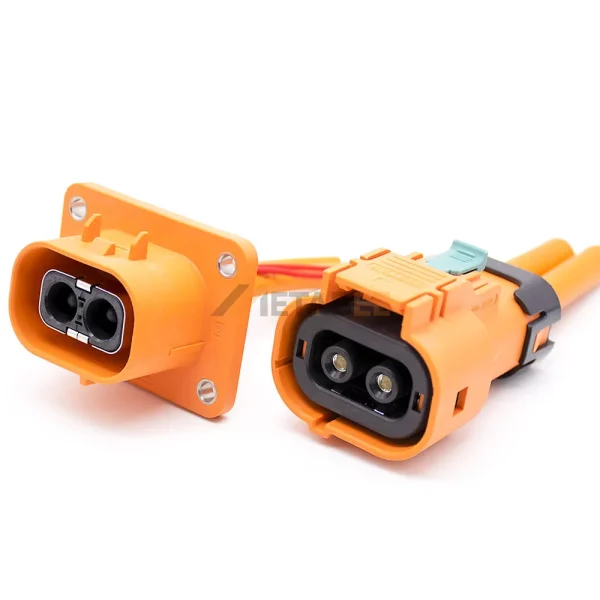
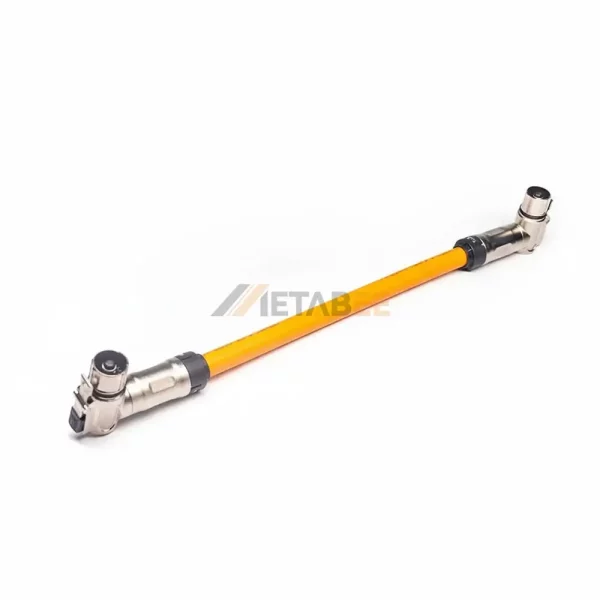
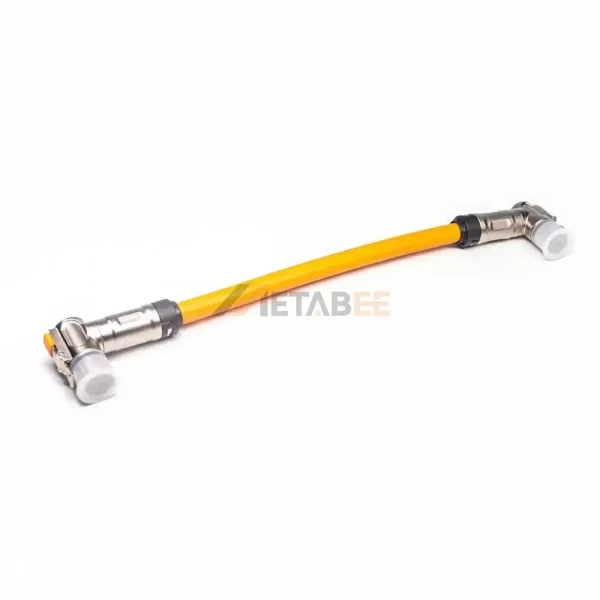
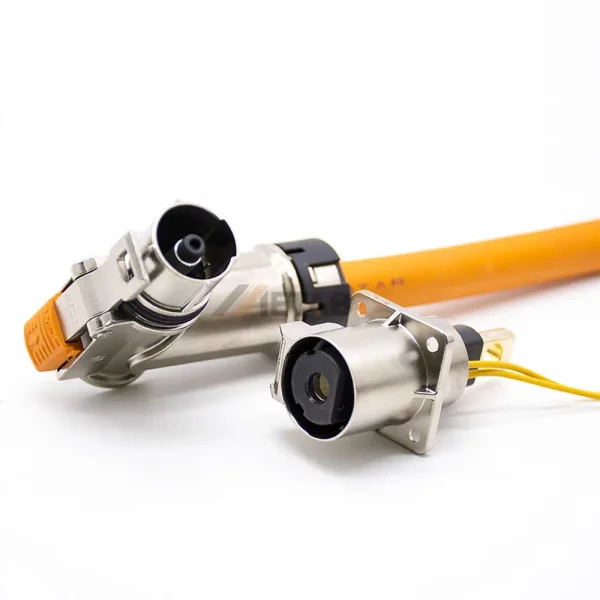
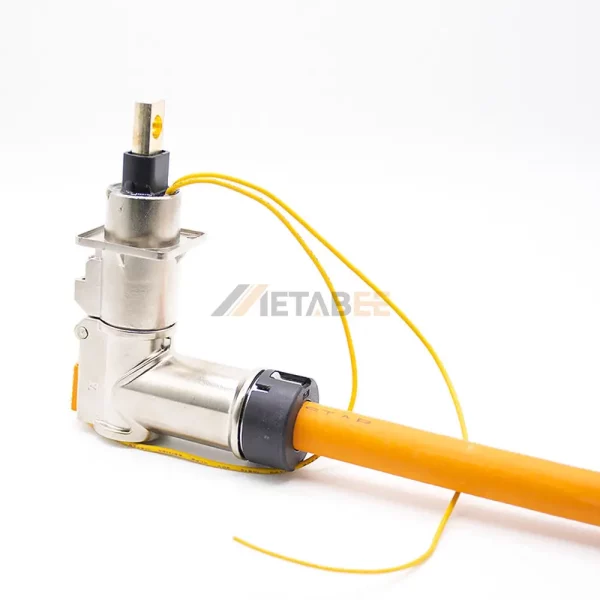
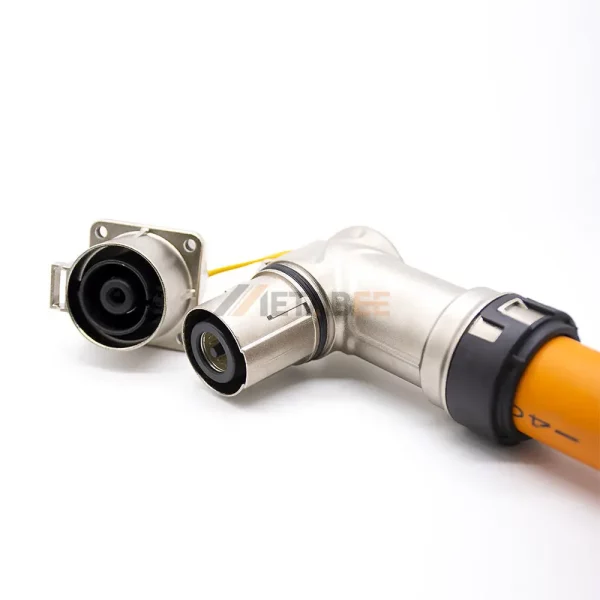
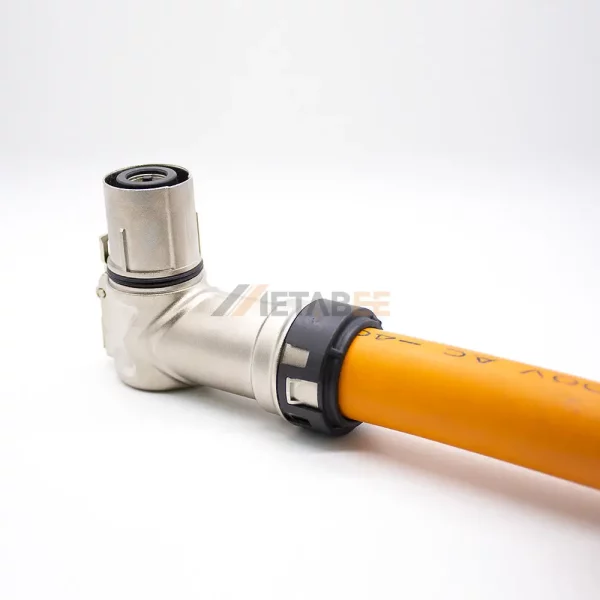
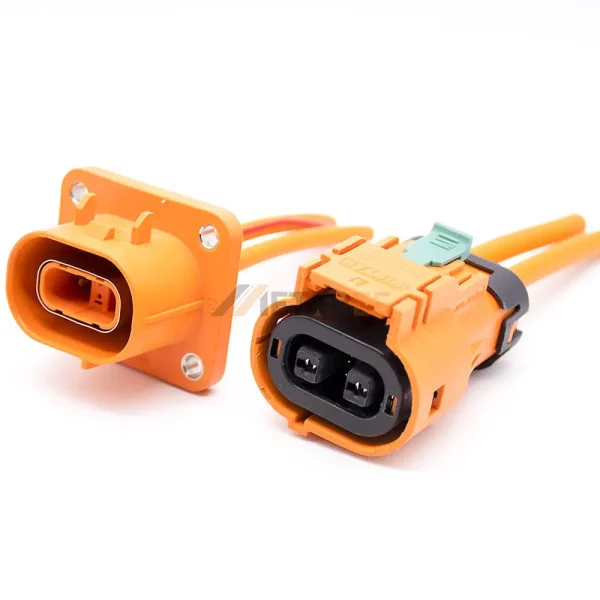
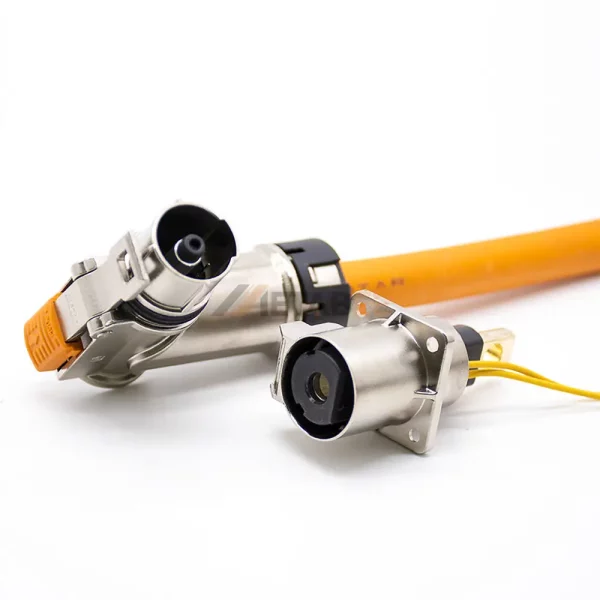
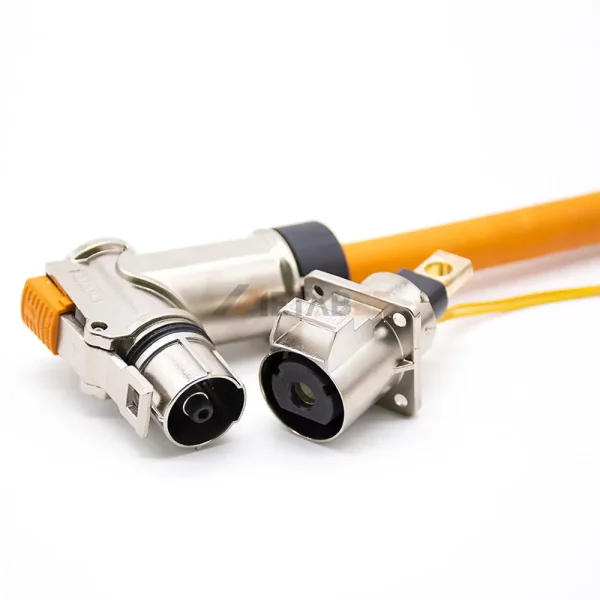
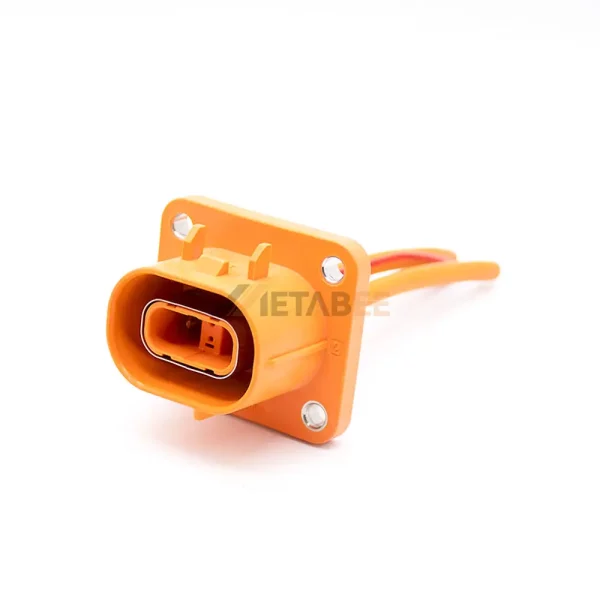
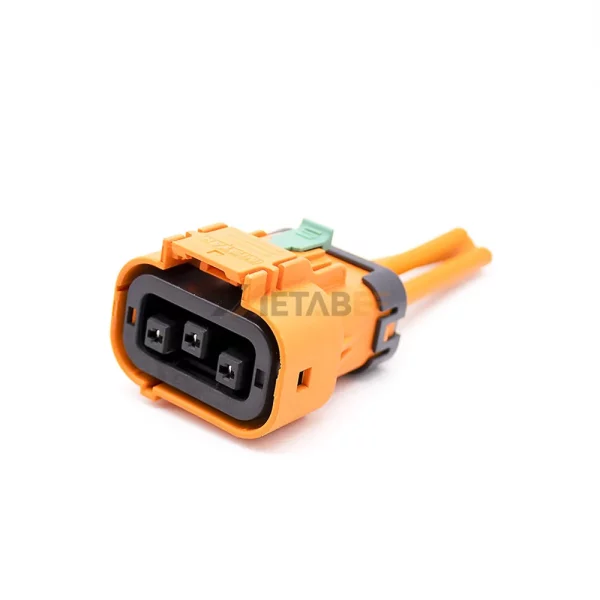
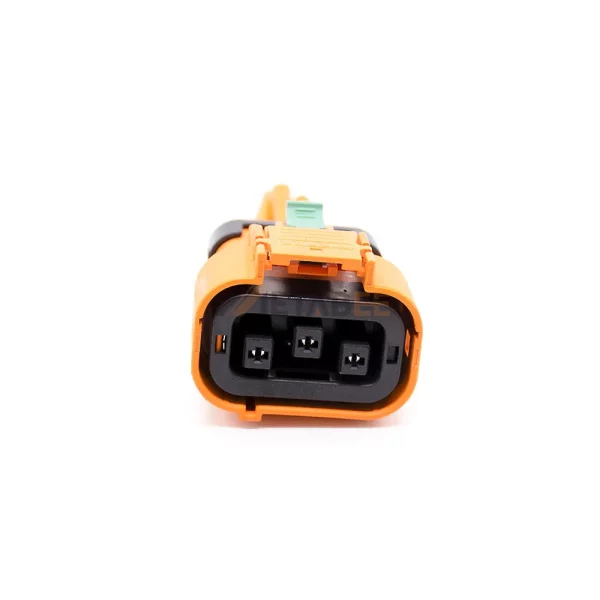
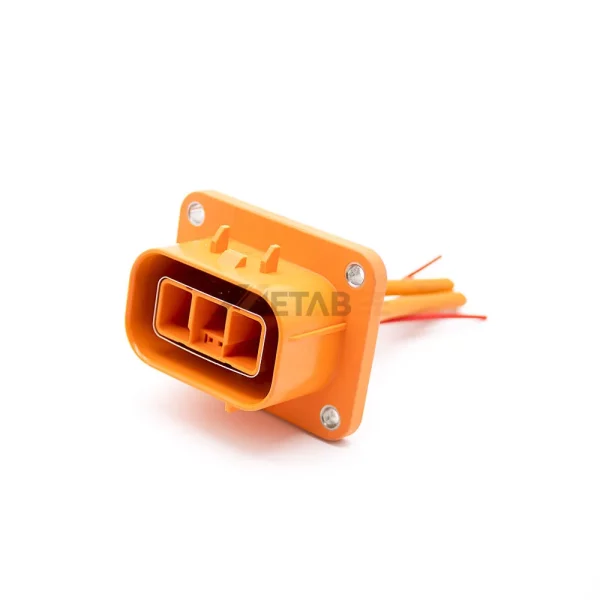
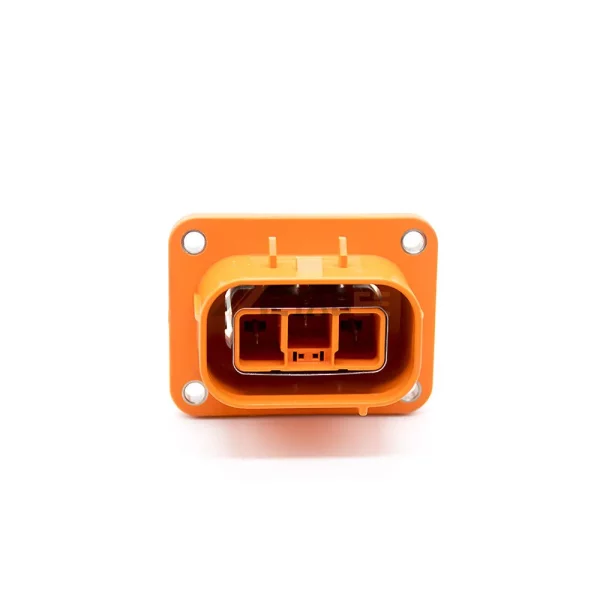
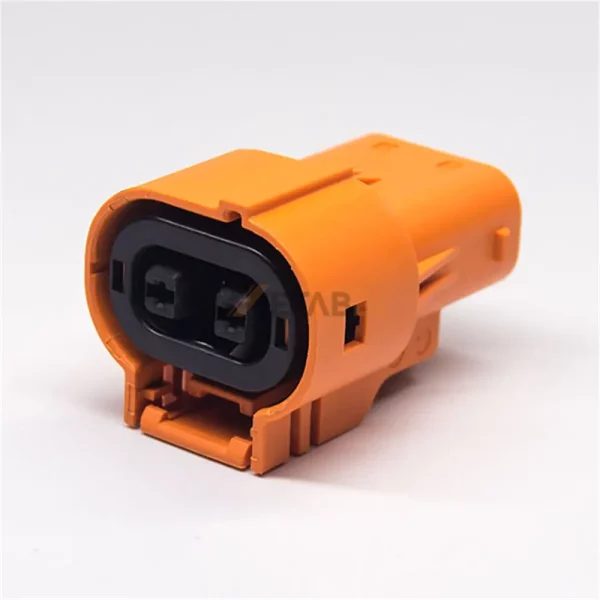
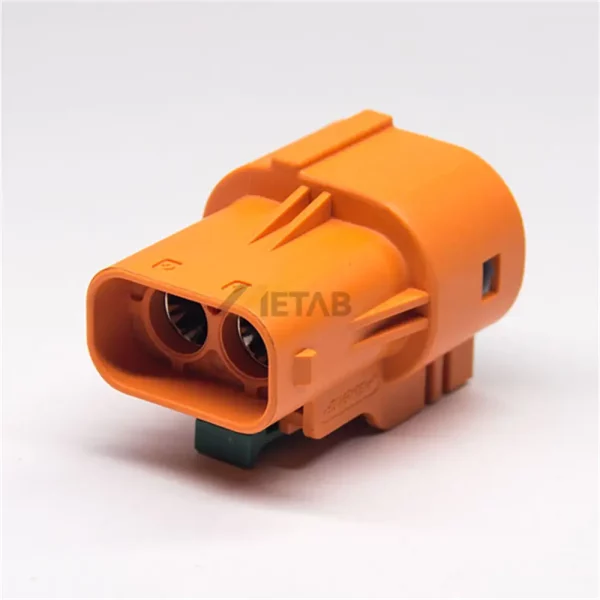
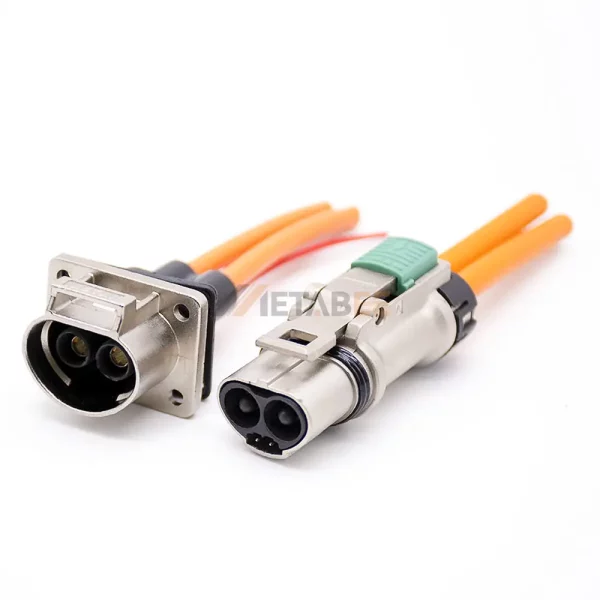
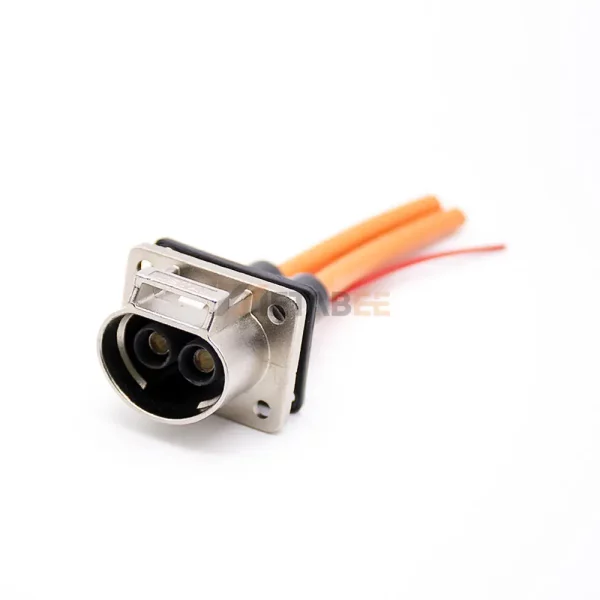
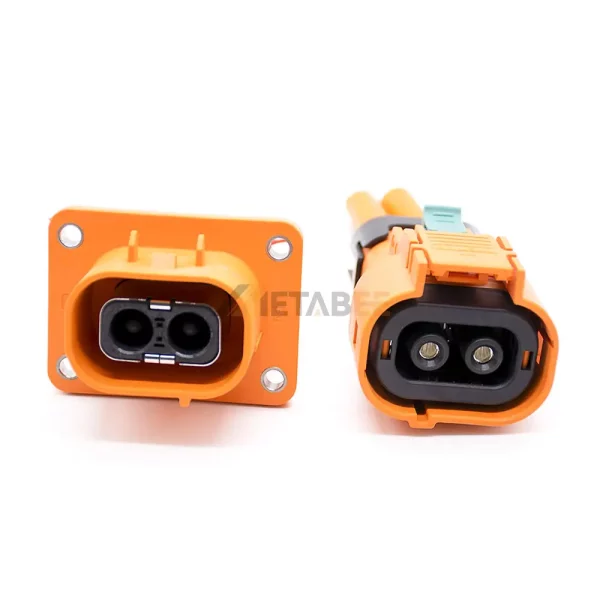
Metabee offers a comprehensive range of High Voltage Interlock Loop (HVIL) Cables designed for electric vehicles (EVs), energy storage systems, and industrial power applications. Our HVIL cable portfolio encompasses multiple categories and models, ranging from 1-pin to multi-pin configurations, straight and right-angle connectors, and various wire gauges, ensuring compatibility with diverse high-voltage system requirements. Each cable is engineered for superior electrical performance, secure interlocking, and long-term durability under demanding operating conditions.
Why choose Metabee?
- Professional Expertise Support: As a factory-direct manufacturer, we eliminate middlemen to offer cost-effective bulk pricing without compromising on quality.
- Premium Material Construction: We use only high-quality materials(Copper Alloy contact, Zinc Alloy shell), ensuring durability, safety, and compliance with international standards.
- Factory-Direct Sales & Pricing: Our dedicated team of engineers and technical experts oversees every production stage, guaranteeing precision and innovation.
- Dedicated Sales & Service Team: Our sales team provides instant online communication and comprehensive after-sales service.
- Flexible Customization Services: We offer customization services for unique specifications (cable length, terminal type, keying) to perfectly match your diverse project requirements.
Click here to download Metabee’s PDF catalog of connectors, adapters, and cables to learn more.
Request a Quote Today!
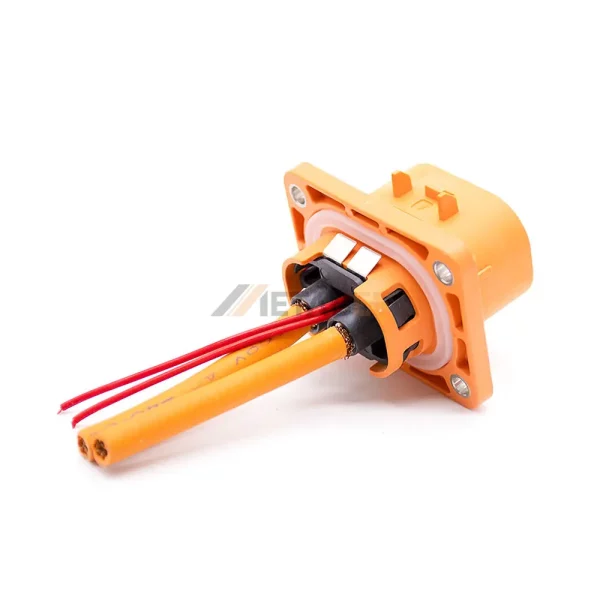
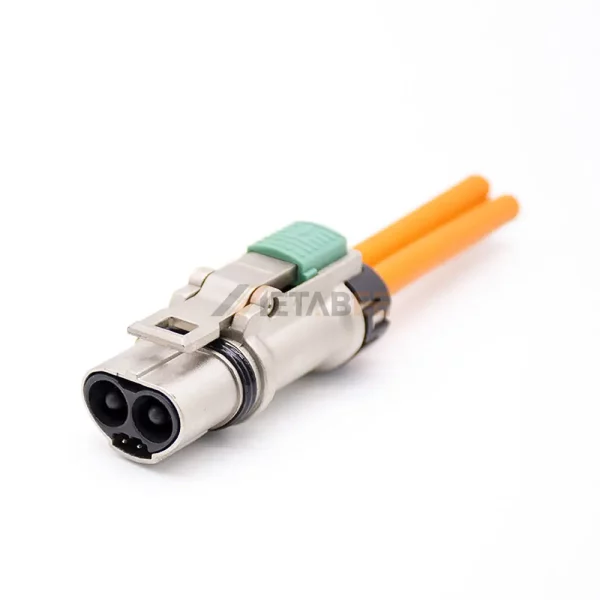
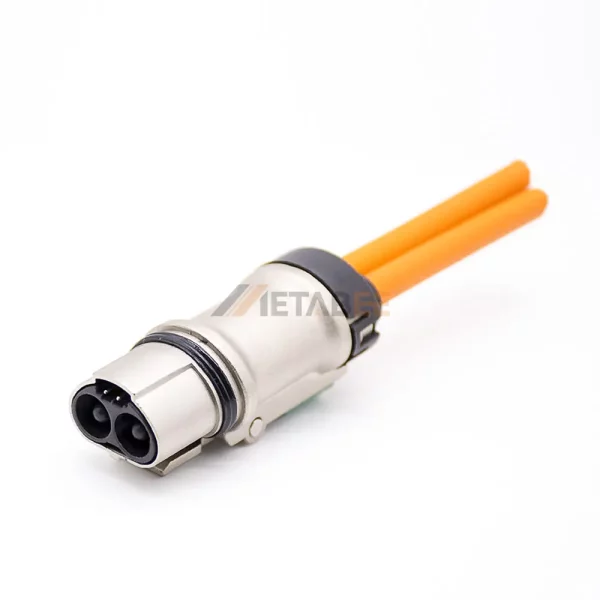
FAQs:
What is an HVIL cable?
An HVIL cable is part of the High Voltage Interlock Loop system in hybrid/electric vehicles. It implements a low-voltage monitoring circuit that runs through all high-voltage components and connectors. If the loop is broken, the system triggers a safe shutdown of the high-voltage system.
How does an HVIL system work?
The system sends a continuous low-voltage signal (typically 12V) through a dedicated loop that runs parallel to the high-voltage circuitry. If a high-voltage connector or component cover is loosened, removed, or compromised, the low-voltage loop is instantly broken (opened).
Why is the HVIL system necessary in electric vehicles (EVs)?
It is necessary for safety. It prevents the high-voltage (HV) system from being energized—or immediately cuts power—if a component is not fully and safely connected. This protects technicians and personnel from the risk of electric shock or arcing when touching high-voltage parts.
What is the key difference between the pins in an HVIL connector?
HVIL connectors have two sets of contacts:
High-Voltage (HV) contacts: For power transmission.
Low-Voltage (HVIL) contacts (or pins): For the safety interlock circuit. The HVIL pins are typically shorter than the HV pins.
How does HVIL differ from standard high-voltage cables?
Standard high-voltage cables carry the main power (high voltage, high current). The HVIL cable is a separate, low-voltage monitoring circuit embedded or routed in parallel. Its function is safety monitoring and interlock, not power delivery. The connector design often has shorter interlock pins than the main HV pins so the loop is broken before HV disconnect.
Are HVIL cables shielded?
Yes. The low-voltage HVIL wires are often routed alongside the high-voltage lines within the same cable assembly. They are typically shielded or fully encased to protect the low-voltage signal from Electromagnetic Interference (EMI) generated by the adjacent high-voltage cables.
What specifications and design considerations apply to HVIL cables?
Key design considerations include
Low-voltage loop conductivity
Minimal loop resistance
Fault detection threshold
Shielding against electromagnetic interference (EMI) from nearby HV conductors
Mechanical robustness
Waterproofing/sealing
Proper length/loop layout