
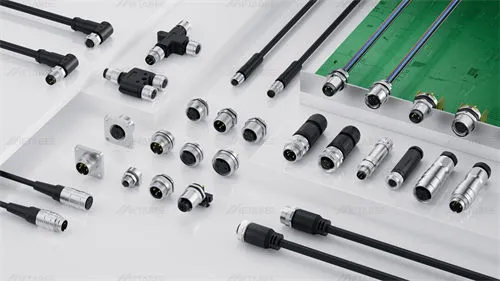
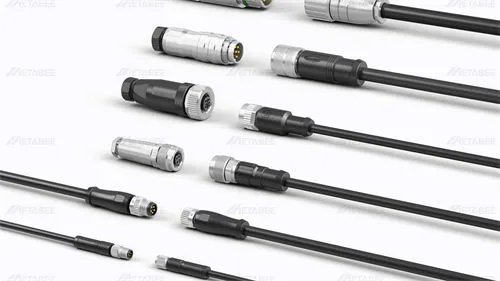
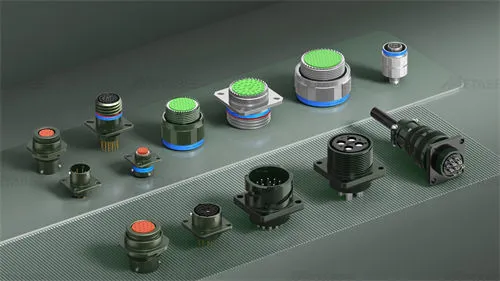
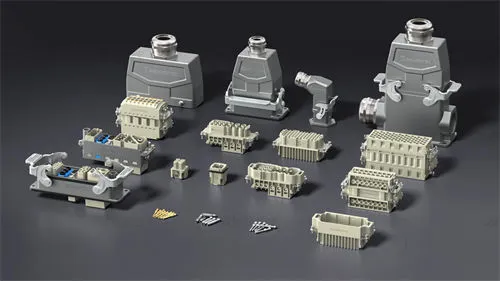
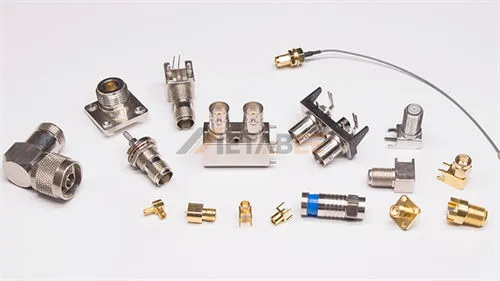
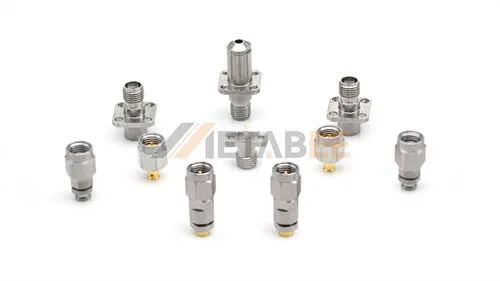
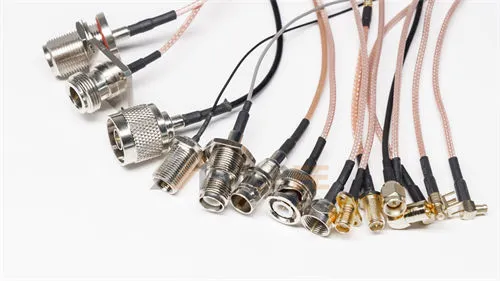

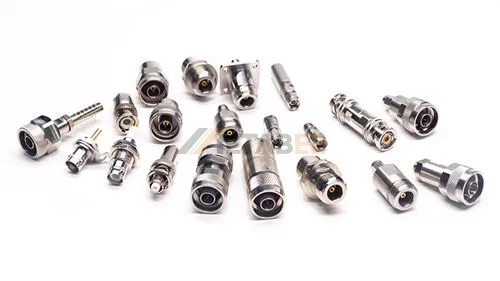
In high-reliability fields like aerospace, medical, and defense, the integrity of electronic connections is critical. Hermetic connectors—especially those leveraging Glass-to-Metal Sealing (GTMS) technology—serve as a cornerstone for safeguarding sensitive electronics against harsh environments. This article delivers a comprehensive breakdown of Glass-to-Metal Seal (GTMS) technology, exploring its fundamental working principles, material selection, and specialized manufacturing processes. Furthermore, we will analyze its core performance characteristics, critical testing standards, and design considerations, concluding with a comparative look at alternative sealing technologies.
Understanding Hermetic Connectors
What Is a Hermetic Connector?
A hermetic connector is an electrical connector specifically designed to create an airtight and watertight seal, preventing the ingress of gases, liquids, moisture, dust, and other contaminants into an electronic system. They form a vacuum-sealed electrical connection, ensuring the internal environment of connected devices remains unaffected by external factors.
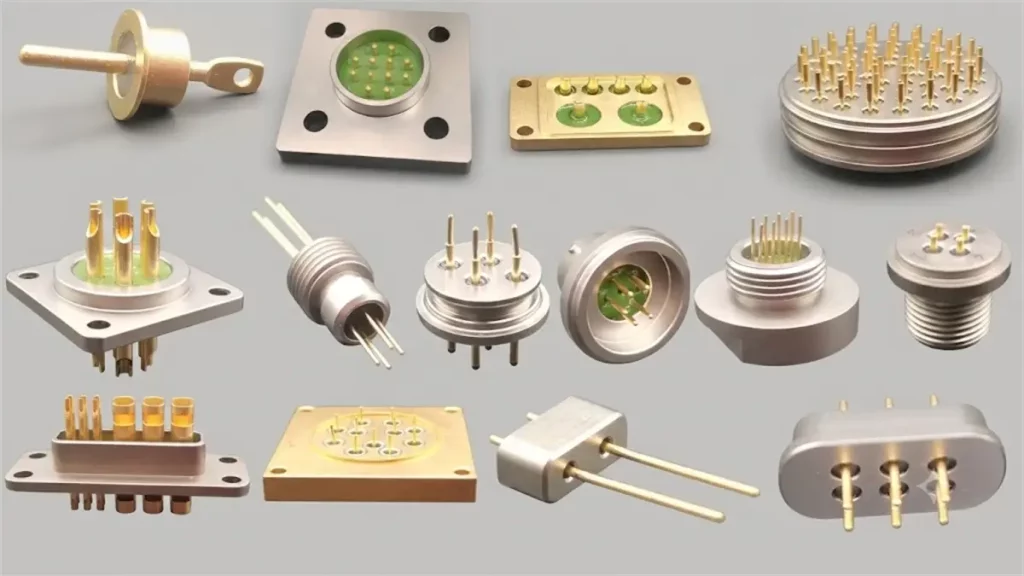
Watch Metabee Glass-to-Metal Hermetic Connector
Why it Matters
Many critical electronic systems must operate continuously for years without maintenance. Consequently, any moisture intrusion or gas leakage may result in corrosion, insulation degradation, electrical short circuits, pressure imbalance, or complete system failure. Therefore, By maintaining a hermetic seal, the internal electronics of a device remain hermetically protected in an inert environment (often back-filled with Nitrogen or Argon), ensuring consistent performance over decades.
Hermetic connectors provide several important benefits:
- Excellent Environmental Protection
- Long-Term Reliability
- High Temperature Resistance
- Pressure Resistance
- Electrical Performance
Key Industry Applications
Hermetic connectors are indispensable in a wide array of industries where extreme conditions are commonplace:
- Aerospace & Defense: Avionics, missile guidance systems, military radars, and space exploration satellites
- Medical Devices: Implantable devices (pacemakers, cochlear implants) and surgical autoclavesl.
- Oil & Gas(Downhole & Subsea): Drilling tools, logging equipment, and subsea control modules
- Industrial Vacuum Systems: Semiconductor processing chambers, mass spectrometers, and laboratory glove boxes
- Automotive & EV: High-pressure sensors, airbag initiators, and battery management enclosures.

What Is Glass-to-Metal Sealing?
Definition
Glass-to-Metal Sealing (GTMS) is a metallurgical and chemical bonding manufacturing process technology. It uses molten glass to insulate and seal metal conductive pins within a metal outer shell. The glass acts as both the electrical insulator and the physical pressure barrier. Manufacturers widely use this technology to produce hermetic connectors, combining metal and glass materials to form a vacuum-sealed electrical connection.
The Basic Structure
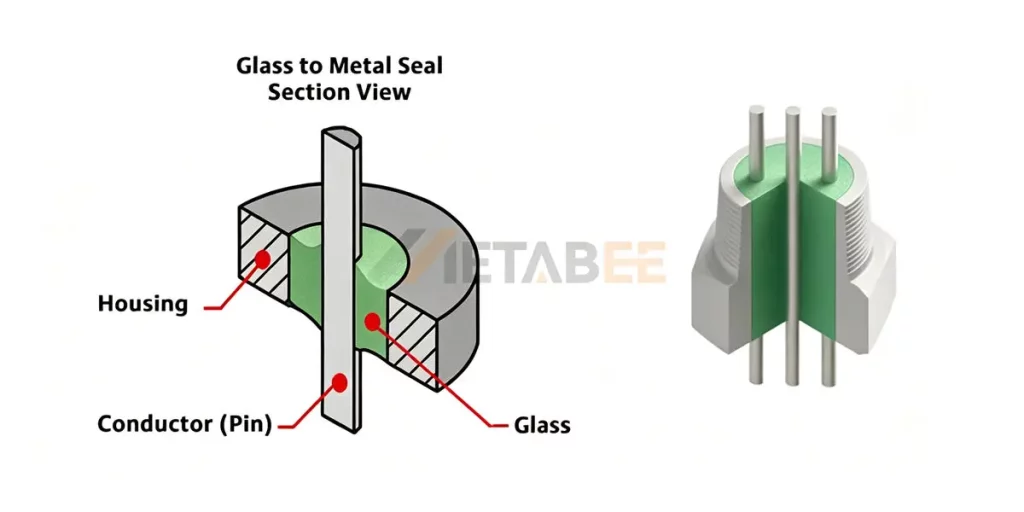
A standard GTMS connector consists of three primary components:
- The Conductor (Pins): Provides the electrical path through the barrier.
- The insulator (glass): Surrounds the pins, preventing short circuits to the housing while forming the hermetic seal.
- The Housing (Shell): Engineers either thread, flange, or weld the outer metal body directly onto the pressurized bulkheads or hermetic enclosures.
How Glass-to-Metal Sealing Works
The success of GTMS technology lies in the careful management of material properties and precise manufacturing processes.
Coefficient of Thermal Expansion (CTE)
A critical factor in GTMS is the Coefficient of Thermal Expansion (CTE) of the chosen materials. Specifically, CTE describes how much a material expands or contracts with changes in temperature. Therefore, for a stable and durable seal, the CTEs of the glass and metal components must be carefully matched or intentionally mismatched to create beneficial stresses.
Chemical Bonding Mechanism
During the sealing process, typically at high temperatures in a furnace, the glass melts and forms a chemical bond with the metal surfaces. The oxidation of the metal often facilitates this bond, creating an oxide layer that the glass can wet and adhere to. This chemical adhesion, combined with mechanical interlocking, forms a strong, continuous barrier.
Hermeticity Principle
Creating a continuous, void-free interface between the glass and metal components achieves the hermeticity of the seal. As a result, This prevents any pathway for gases or liquids to penetrate. The combination of chemical bonding, precise thermal expansion management, and the inherent impermeability of glass results in an exceptionally reliable barrier.
Residual Stress
Upon cooling from the sealing temperature, the system intentionally develops residual stresses within the glass and metal structure. Crucially, these stresses ensure the long-term integrity of the seal. Specifically, in compression seals (discussed below), the metal shell compresses the glass upon cooling, thereby placing the glass in compression—a state that is highly resistant to cracking and ultimately provides the hermetic seal.
Types of Glass-to-Metal Seals
There are two primary classifications of glass-to-metal seals used in connector manufacturing: matched seals and compression (mismatched) seals. Fundamentally, the difference lies in how their thermal expansion characteristics are managed.
Matched Seals
In matched seals, engineers select glass and metal components with very similar CTEs. As the assembly cools from the sealing temperature, both materials contract at approximately the same rate, resulting in minimal residual stress at the interface. Engineers generally use this type of seal for applications requiring precise dimensional stability and where the metal components do not easily deform.
Compression (Mismatched) Seals
Manufacturers most commonly use compression seals in hermetic connectors. They utilize a deliberate mismatch in CTE, where the metal shell has a significantly higher CTE than the glass. As the assembly cools, the metal shell contracts more than the glass, compressing the glass insert tightly around the contact pins and against the shell itself. This places the glass in a state of high compression, which makes it extremely strong and resistant to mechanical shock, vibration, and thermal cycling. This compression creates the hermetic seal.
Summary Comparison: Matched vs. Compression Seals:
| Key Technical Parameter | Matched Seals | Compression Seals |
| Sealing Mechanism | Housing matches the coefficient of thermal expansion of the glass | due to its difference coefficient of thermal expansion, housing contracts around glass to make a hermetic seal |
| Metal Materials | Kovar(housing & pins) | Stainless Steel (housing), Alloy 52 (pins), Titanium |
| Glass Materials | Borosilicate, Alkali Barium, vitreous silica glass | Soda Lime, Alkali Barium |
| Pressure Limit | Moderate ( up to 10,000 psi) | Extreme (30,000 psi to 50,000 psi) |
| Thermal Shock Resistance | Exceptional | Moderate |
| Pin Pitch & Density | Highly suited for complex, dense, multi-pin designs | Limited density |
| Advantage | Withstands higher differential temperatures | greater chemical compatibility and is stronger; increased pressure ratings |
| Disadvantage | Weaker seal due to material selection possibilities | Prone to challenges with differential temperature |
| Primary Industry Applications | Aerospace avionics, high-freq RF packages, medical | Downhole drilling tools, industrial sensors, subsea bulkheads |
Material Selection
The performance, reliability, and cost of a hermetic connector depend heavily on selecting the correct materials.
Glass Formulations
Industrial hermetic connector manufacturers use proprietary and standard silicate glass compositions:
- Borosilicate Glass: Used in matched seals. Offers excellent electrical insulation and chemical durability.
- Soda-Lime Glass: Used in compression seals. It has a higher thermal expansion rate to match stainless steel housings.
- Barium-Alkali Glass: Excellent for high-voltage applications due to its high volume resistivity and low dielectric loss.
Connector Shell Metals
The metal shell provides structural integrity and is the outer protective layer. Common materials include:
- Stainless Steel(304L, 316L): Offers exceptional corrosion resistance. Ideal for medical, marine, and food-grade applications (primarily used in compression seals).
- Kovar(ASTM F15): The gold standard for matched seals. Easily machined and highly stable.
- Nickel-iron alloys: Used for their controlled CTE properties.
- Aluminum alloy: Manufacturers can use this material to cut down on weight, though they often pair it with epoxy seals rather than glass for maximum weight reduction.
- Inconel (Inconel 718): Used in extreme high-pressure, high-temperature (HPHT) oil and gas applications where corrosion resistance to hydrogen sulfide (H₂S}) is required.
- Titanium: Selected for aerospace and medical implants where weight savings or biocompatibility is vital.
Contact Pin Metals
Contact pins, responsible for electrical conduction, are made from materials that can withstand high temperatures and form a strong bond with the glass. These can include:
- Alloy 52 & Alloy 42: Nickel-iron alloys with CTEs matching specific glasses.
- Kovar: Used to maintain the matched seal CTE profile.
- Stainless Steel: Used when applications require extreme corrosion resistance for the pins themselves.
- Molybdenum: Chosen for its high thermal conductivity and low resistance.
- Copper-Cored Alloys: Used in high-power applications to prevent overheating of the contacts.
The Step-by-Step Manufacturing Process
The manufacturing of GTMS connectors is a precise, multi-stage process:
Material Preparation
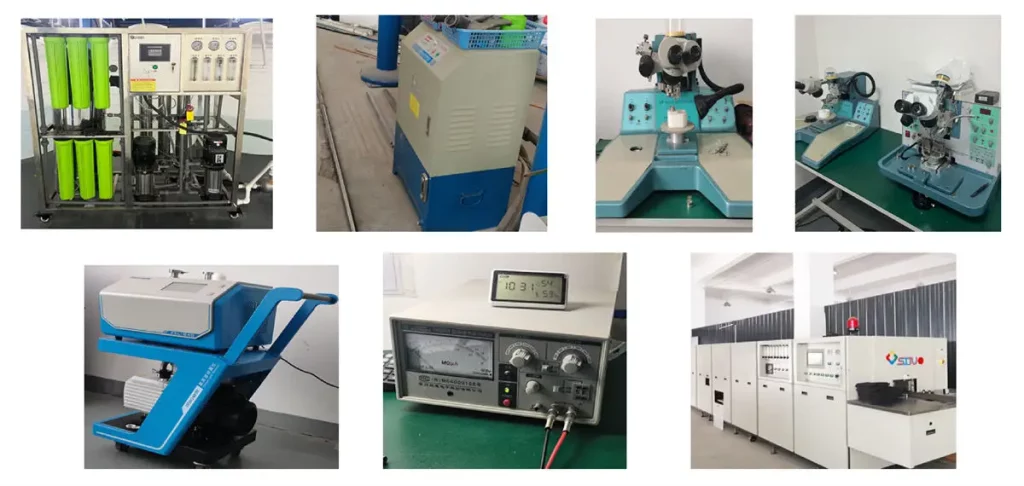
Metal components (shells and pins) are machined to precise tolerances via Swiss CNC turning centers. Glass powder is mixed with binders and pressed into exact shapes called glass preforms (donuts or beads), which are then sintered in a kiln to handleable solids.
Cleaning
First, parts are put through multi-stage ultrasonic cleaning cycles using solvents and acid etchants to remove all traces of cutting fluids, carbon residues, and oils. Subsequently, the metals undergo a thermal pre-oxidation cycle in a wet hydrogen or atmospheric furnace to form the uniform, thin oxide layer necessary for chemical bonding.
Assembly and Fixturing
The metal shell, the glass preforms, and the metal pins are loaded into precision-machined graphite fixtures (often called molds or boats). Graphite is chosen because it resists wetting by molten glass and has a low thermal expansion.
Furnace Sealing
The loaded fixtures are passed through a multi-zone conveyor belt furnace under a controlled reducing or inert atmosphere (such as nitrogen/hydrogen or argon) to prevent uncontrolled oxidation of the metals. The assembly is heated to temperatures ranging from 900℃ to 1050℃. The glass melts, wets the metal surfaces, dissolves the oxide layers, and flows to fill the cavities.
Cooling and Stress Control
Engineers meticulously manage the cooling rate through controlled temperature zones. For matched seals, an annealing stage holds the temperature just below the glass transition point (Tg) in order to relieve internal stresses.
Inspection and Finishing
The oxidized layer remaining on the exposed metal parts is removed via chemical descaling or acid pickling. Next, the connectors are plated (typically with nickel followed by gold per MIL-G-45204) to provide solderability, corrosion protection, and high-quality electrical conductivity. Finally, each batch undergoes strict physical and hermetic testing.
Performance Characteristics
Hermetic connectors with GTMS technology offer exceptional performance under challenging conditions.
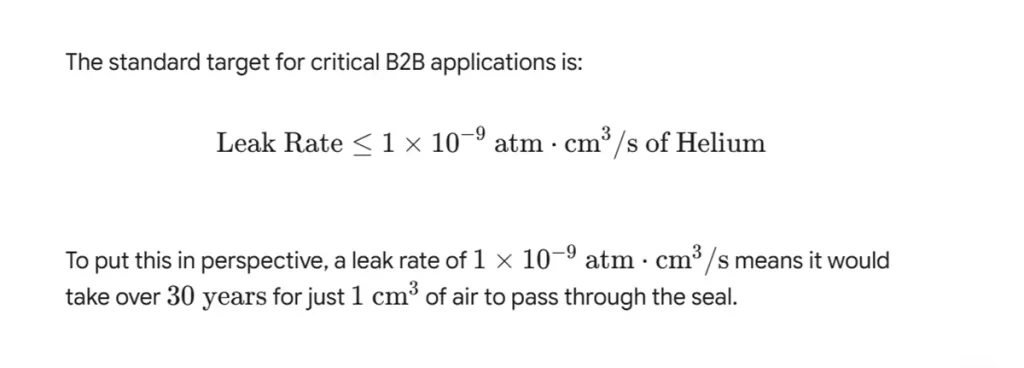
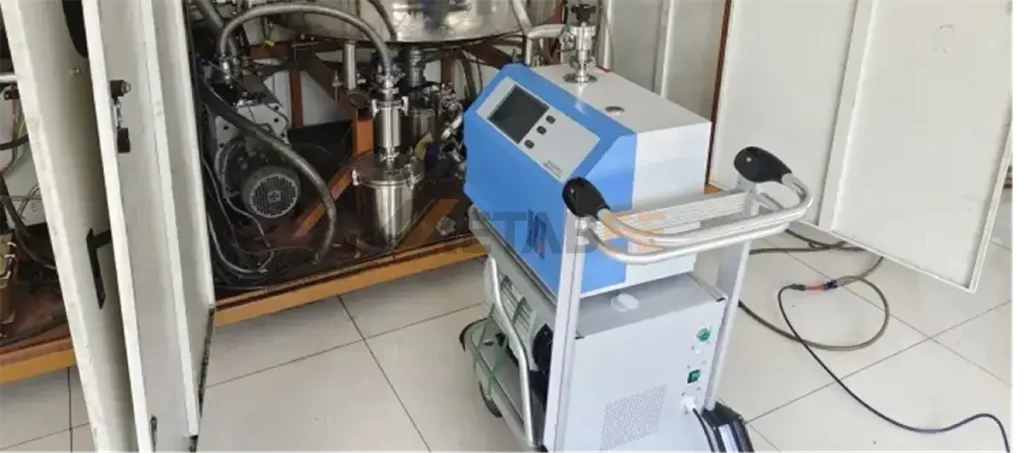
Hermetic Seal integrity (Leak Rate)
This is the most critical performance characteristic indicator of a hermetic connector and is measured by the helium mass spectrometer. Engineers choose helium because it has a tiny molecular size and is inert. It is measured by the helium leak rate, which indicates the minimal amount of helium gas that can pass through the seal over time.
Electrical Properties
- Insulation ResistΩΩance (IR): The glass insulator ensures exceptionally high isolation between pins and the outer shell, typically exceeding 5,000 MΩ (often > 10 GΩ) at 500 VDC.
- Dielectric Withstanding Voltage (DWV): GTMS connectors can withstand high voltages without breakdown, often rated from 500 VAC up to several kilovolts(kV) depending on pin spacing and glass thickness.
Mechanical and Thermal Resilience
GTMS connectors can withstand extreme conditions:
- Pressure Capabilities: Depending on the design (compression vs. matched) and wall thickness, GTMS connectors can handle pressures ranging from ultra-high vacuums up to hydrostatic pressures of over 40,000 psi.
- Operating Temperature: Designed to operate across extreme temperature variations, typically from approximately -65°C to 200 °C.
- Vibration: Resists damaging vibrations, ensuring connection stability in dynamic environments.
- Corrosion: Made of durable metals like stainless steel, providing resistance to corrosive elements.
- Environmental Adaptability: Protects against humidity, prevents moisture intrusion, condensation, and leakage, offering more reliable protection than non-hermetic polymer seals
Quality Control & Industry Testing Standards
To ensure reliability in critical infrastructure and defense, GTMS connectors must comply with stringent test specifications.
Helium Leak Testing
There are two primary methods of testing hermeticity:
- Vacuum Method (Inside-Out): The connector is mounted to a vacuum port of a helium mass spectrometer. Helium gas is sprayed on the outside of the seal, and the detector measures the volume of helium drawn in.
- Sniffer Method (Outside-In): Technicians pressurize the connector internally with helium and sweep a sensitive probe around the outer seal to detect escaping gas.
Electrical Testing
- Insulation Resistance: Performed under dry and humid conditions to ensure the glass does not absorb moisture.
- Dielectric Breakdown Voltage: Confirms no arc-over occurs under spike voltages.
Thermal Shock and Cycling
Connectors are rapidly cycled between extreme temperatures (e.g.,-65°C to 200 °C) for multiple cycles (often conforming to MIL-STD-202, Method 107). This test ensures the CTE compatibility of the seal remains intact.
Compliance Standards
- MIL-DTL-38999: Military specification for high-reliability circular connectors (Class Y is the hermetic standard).
- MIL-DTL-26482: Focuses on miniature, quick-disconnect circular connectors with hermetic options.
- MIL-H-28719: General specification for hermetic, glass-to-metal sealed connectors.
Design Considerations & Manufacturing Challenges
Designing and manufacturing GTMS connectors involves navigating several critical considerations.
Material Compatibility
Furthermore, selecting materials with appropriate CTEs and chemical compatibility for bonding is paramount. An improper match can lead to stress concentrations, seal degradation, or failure.
Pin Density and Pitch Constraints
As electronic devices become smaller, increasing pin density and reducing pitch (the distance between pins) present significant manufacturing challenges. Consequently, as a rule of thumb, the minimum glass wall thickness between a pin and the housing, or between adjacent pins, should be at least equal to the pin diameter.
Cost vs. Performance Optimization
There is often a trade-off between the ultimate performance requirements (extreme pressure and temperature) and manufacturing cost.
- Matched Seals (Kovar): Offer excellent performance, but Kovar is expensive to purchase and difficult to machine, driving up unit costs.
- Compression Seals (Stainless Steel/Steel): Use cheaper base materials and are easier to manufacture in bulk but have tighter geometrical layout restrictions.
Engineers must optimize material selection and process parameters to meet performance specifications within budget constraints.
GTMS vs. Alternative Sealing Technologies
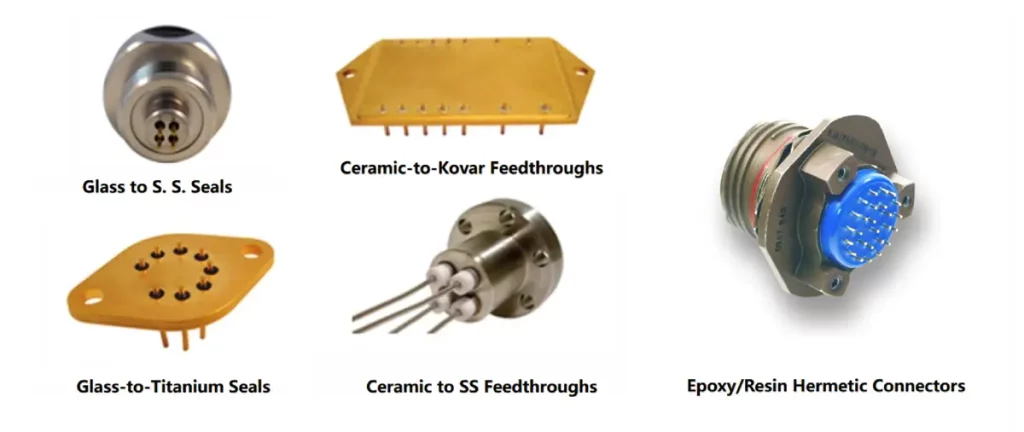
Glass-to-Metal vs. Ceramic-to-Metal vs Epoxy/Resin Sealing
While GTMS offers superior hermeticity, other sealing technologies exist with different characteristics.
- Glass-to-Metal Sealing (GTMS): Offers the highest level of sealing, ensuring no external elements can infiltrate or escape, safeguarding internal electronic packages. Furthermore, it provides exceptional sealing, broad application compatibility, high reliability, and outstanding electrical performance. Most effective insulating material.
- Ceramic-to-Metal Sealing: Offers the highest possible temperature and physical performance but is incredibly expensive and complex to manufacture, making CTM the most cost-effective solution for standard high-reliability industrial and defense applications.
- Epoxy/Resin Sealing: Best for basic dust/waterproofing but suffers from aging, outgassing in vacuums, and moisture permeation over time.
Quick Reference: GTMS vs Ceramic vs Epoxy / Resin Potting at a Glance
| Type | Glass-to-Metal Seal | Ceramic-to-Metal | Epoxy / Resin Potting |
| Hermeticity Level | Excellent | Outstanding | Poor |
| Temperature Range | -196°C to +350°C (up to +450°C) | -196°C to +800°C (up to +1000°C) | -55°C to +125°C (up to +200°C) |
| Pressure Rating | Very High (50,000 psi) | Extreme (> 100,000 psi) | Low to Moderate ( < 5,000 psi ) |
| Electrical Insulation | High | Extremely High | Moderate |
| Cost | High | High to Very High | Low |
Conclusion
Ultimately, Glass-to-Metal Sealing (GTMS) technology stands as the cornerstone of modern high-reliability connectivity, proving critical for hermetic connectors that offer unmatched environmental protection and signal integrity. Indeed, by leveraging the precise control of material properties, controlled thermal expansion, and chemical oxide bonding, GTMS ensures superior hermeticity, robust electrical performance, and mechanical resilience. Consequently, this makes it indispensable for safeguarding sensitive electronics in mission-critical applications across diverse industries, from aerospace to medical devices.
Selecting the right glass-to-metal seal connector is a critical design decision. To assist with this, as a leading B2B manufacturer of high-reliability hermetic connectors and feedthroughs, Metabee offers tailored design services to meet your exact mechanical, electrical, and thermal requirements.
Need a Reliable glass to metal seal Connector Manufacturers?
We provide high-performance glass-to-metal seal hermetic connectors for aerospace, defense, medical, industrial, and vacuum applications.
- Samples Available
- Custom Design
- Fast Prototyping
- ISO Certified
- Global Delivery
- Expert Engineering Support
Contact us today for technical assistance or a free quotation.
Related Products
Explore our range of high-performance hermetic connectors designed for demanding applications:
- Glass to Metal Seals Hermetic Connectors
- Hermetic Seals
- Hermetic Feedthroughs
- Hermetic Seal Headers
- Hermetically Sealed Packages
FAQ
Q1. What is a glass-to-metal seal (GTMS)?
A: glass-to-metal seal (GTMS) is a hermetic sealing technology that permanently bonds glass to metal through a high-temperature process. It creates an airtight barrier while providing electrical insulation and mechanical support for connector pins.
Q2: How long do glass-to-metal seals last?
A: Glass-to-metal seals are last for decades. Because glass is an inorganic material, it does not degrade, age, or outgas over time under normal operating conditions, ensuring a lifetime of true hermetic integrity.
Q3: Can hermetic connectors be repaired?
A: No. Once the glass preform or the chemical bond between the glass and metal is cracked or compromised, it cannot be resealed or patched in the field. Damaged hermetic connectors must be replaced to ensure system safety and maintain strict vacuum or pressure standards.
Q4: What industries commonly use GTMS hermetic connectors?
A: GTMS hermetic connectors are widely used in aerospace, defense, medical devices, oil and gas, telecommunications, energy systems, and industrial equipment where long-term reliability is essential.
Q5: What is the difference between matched seals and compression seals?
A:
- Matched seals use glass and metal with similar coefficients of thermal expansion (CTE), making them suitable for precision and miniaturized designs.
- Compression seals intentionally use different CTEs so the metal compresses the glass after cooling, resulting in greater mechanical strength and pressure resistance.
Q6: What materials do manufacturers commonly use in gtms connectors?
A: Common materials include borosilicate glass, stainless steel, Kovar, Alloy 52, titanium, and copper alloys. The exact combination depends on the required electrical and performance.
Q7: Why choose Metabee as your connector manufacturing partner?
A: Metabee offers 20+ years of manufacturing experience, factory-direct production, OEM/ODM customization, and reliable quality—all backed by fast lead times and responsive technical support.

What is your most cost effective hermetic SMA connectors (right angled) for PCB?
Hi, thanks for your inquiry. We can offer cost-effective right-angle hermetic SMA connectors for PCB mounting.
Could you please let us know your required quantity and specifications, such as SMA interface type, mounting method, frequency range, and hermeticity requirements? Based on your requirements, we can recommend the most cost-effective model and provide a quotation.
If you have a specific application or drawing, please send it to us for evaluation.
This is our email address: [email protected]
Welcome to contact us