

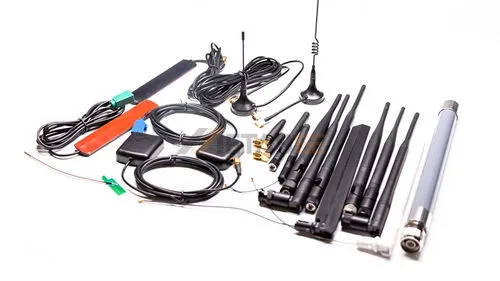

In today’s interconnected world, a robust and reliable wireless network becomes foundational to modern infrastructure. The Wi-Fi antenna plays a decisive role. It directly determines coverage quality, signal stability, and overall network efficiency. Whether designing enterprise WLANs, IoT systems, or outdoor point-to-point links, understanding WiFi antenna types is essential for achieving optimal RF performance.
This guide provides a comprehensive technical breakdown of WiFi antenna types, classification methods, and key selection criteria to support informed decision-making. As wireless technologies evolve, Metabee WiFi antennas provide high-performance solutions engineered for diverse networking environments.
Introduction
A WiFi network is only as strong as its weakest link. While routers and access points (APs) provide the “brains,” the antenna acts as the “mouth” and “ears” of the system.
What is a WiFi Antenna?
A WiFi antenna is a transducer designed to transmit or receive electromagnetic waves. It converts electrical signals from a radio into radio waves (RF) during transmission and vice versa during reception.
Essentially, it acts as the interface between the wireless access point or router and the surrounding air, enabling the broadcasting and capturing of wireless signals. Its primary function is to radiate radio frequency (RF) energy in a controlled manner, facilitating data exchange over a wireless medium.

Metabee WiFi antenna video show
How Do Wifi Antennas Work?
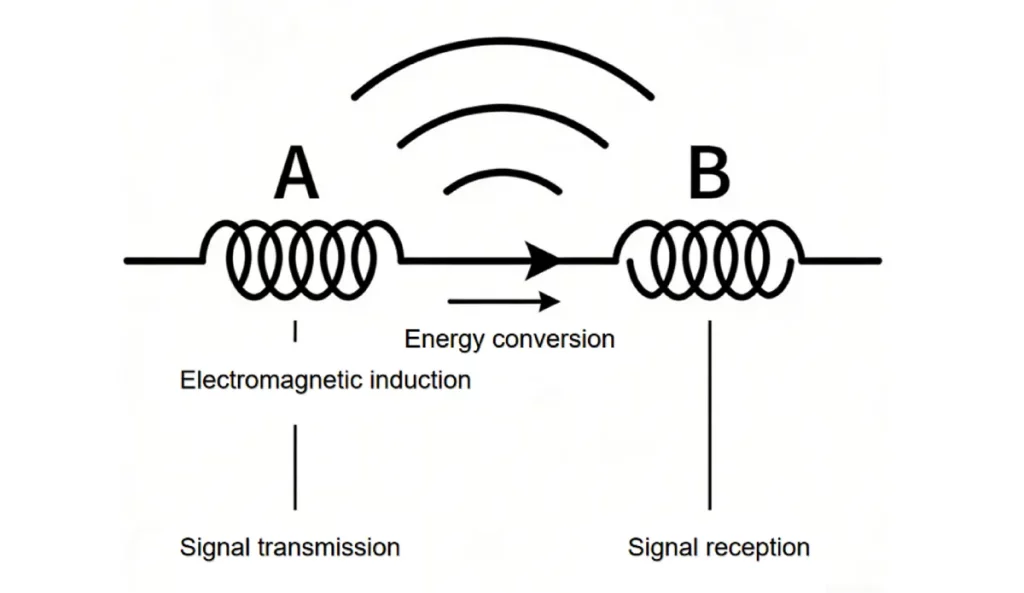
Antennas operate on the principle of electromagnetism. When an electrical current oscillates through a conductor (the antenna), it generates a fluctuating magnetic field and an electric field perpendicular to it. These fields propagate outwards as electromagnetic waves, carrying the data payload. Conversely, when these electromagnetic waves encounter an antenna, they induce a small electrical current, which the receiving device then decodes. The effectiveness of this process depends on antenna design, frequency tuning, and radiation pattern.
Fundamental Antenna Characteristics
Understanding key antenna characteristics is vital for selecting the appropriate type for a given application.
Gain (dBi)
Antenna gain is a measure of an antenna’s ability to direct or focus RF energy in a particular direction, effectively increasing the signal strength in that direction at the expense of other directions. It is typically expressed in decibels isotropic (dBi), which compares the antenna’s performance to a theoretical isotropic radiator (a hypothetical antenna that radiates power equally in all directions). Higher dBi doesn’t mean “more power”; it means the power is more focused.
Directionality
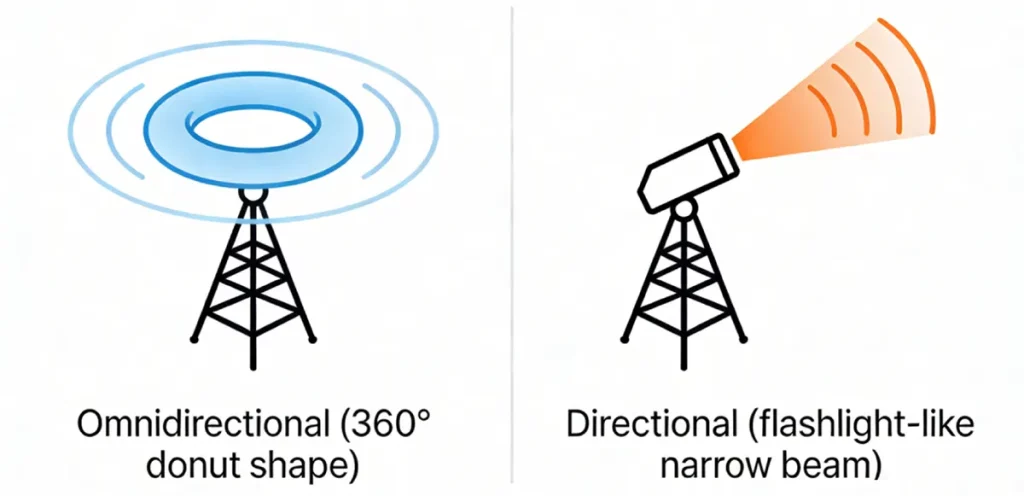
Directionality describes the pattern in which an antenna radiates or receives RF energy. Antennas can radiate signals omnidirectionally (360° doughnut shape) or directionally focus energy into narrow beams (flashlight) for long-distance communication.
Frequency Bands
Engineers design WiFi antennas for specific frequency ranges. It operates on 2.4 GHz, 5 GHz, and the newer 6 GHz (WiFi 6E) bands. Band compatibility is essential for performance optimisation. The antenna must be tuned to the correct frequency range to ensure efficient radiation and reception.
WiFi Antennas Connector Types
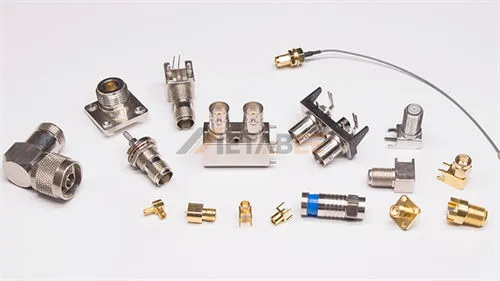
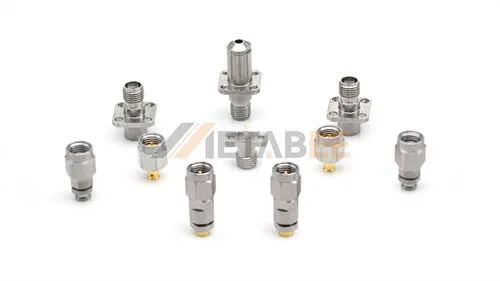
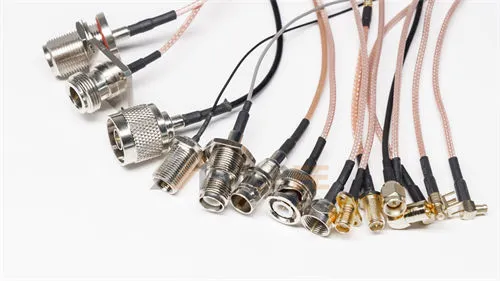
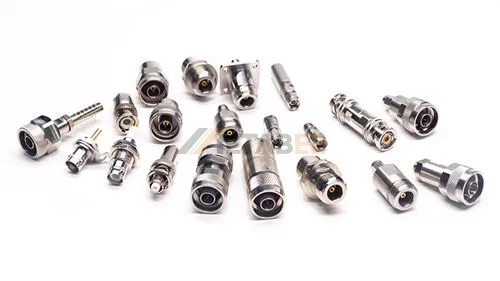
Common types of wifi antenna connectors include SMA, RP-SMA, N-Type (for outdoors), and U.FL/IPEX (for internal components). Connector selection affects compatibility, impedance matching, and installation flexibility.
WiFi Antenna Types
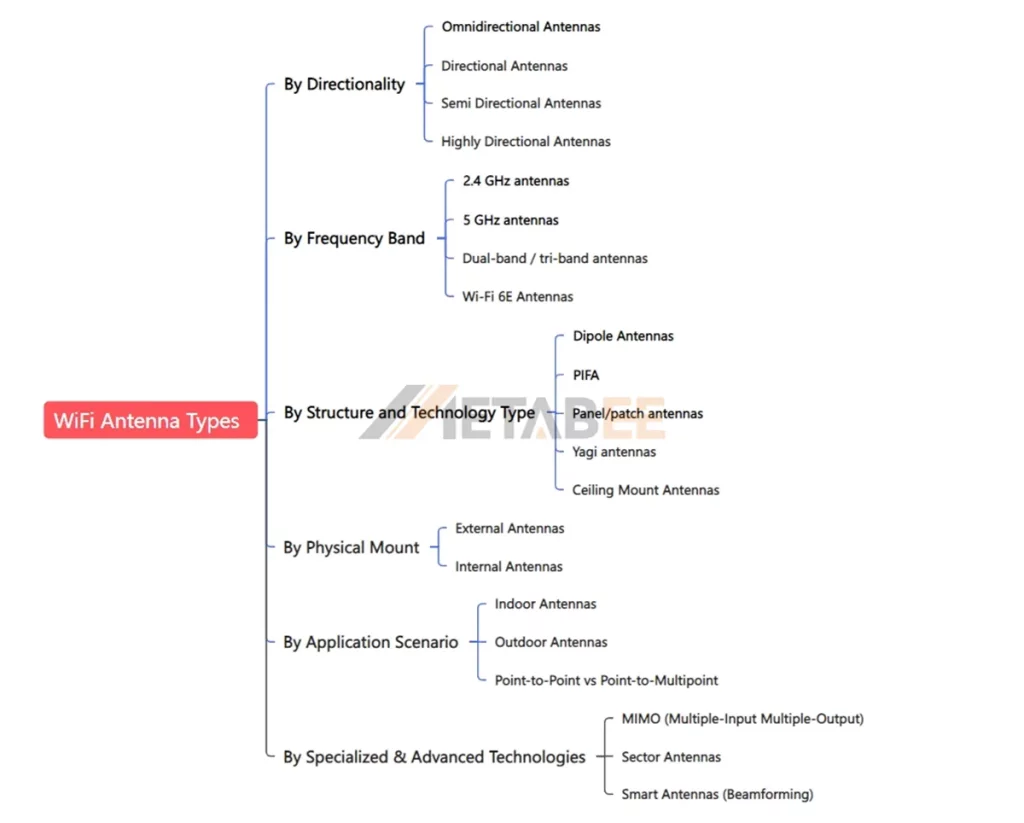
WiFi Antennas can be categorised based on several key characteristics, including their directionality, frequency band, physical structure, mounting, and specialized & advanced technologies. This section delves into these classifications, providing a comprehensive overview to help you make informed decisions.
Metabee WiFi antennas typically feature stable gain (3–6 dBi) and standard connectors such as SMA or RP-SMA. If you are unfamiliar with different connector standards, see our detailed guide to WiFi antenna connector types, including SMA, RP-SMA, N-Type, U.FL, and more.
By Directionality
Antennas are fundamentally classified by how they radiate or receive signals, determining their coverage pattern.
Omnidirectional Antennas
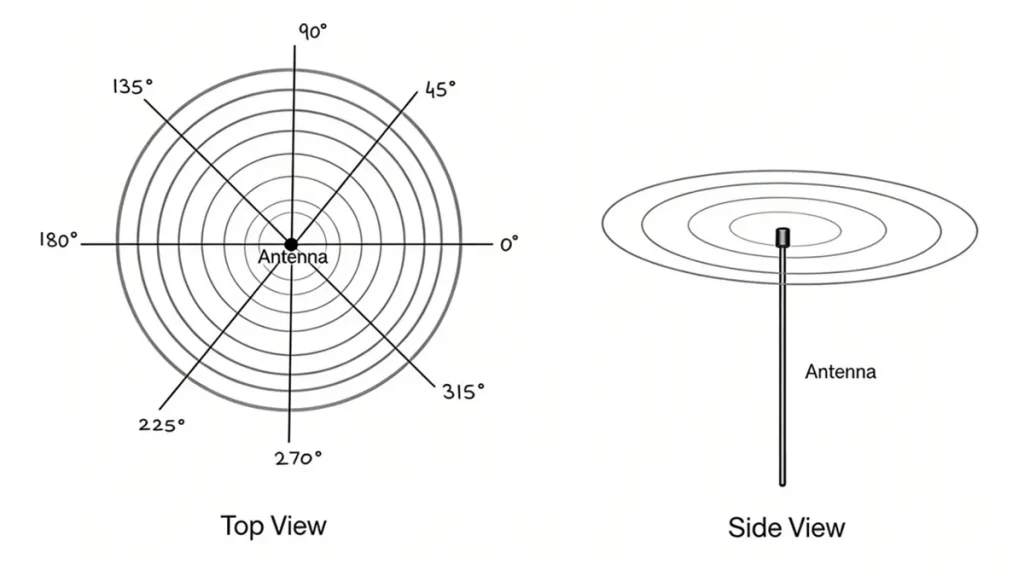
Metabee omnidirectional WiFi antennas are widely deployed in indoor environments to ensure consistent 360° coverage. While they offer broad coverage, their signal strength decreases with distance in all directions. They are commonly used in routers and access points. They are ideal for central indoor locations where devices are scattered around the access point. Typical use: Indoor coverage, offices, warehouses.
Directional Antennas
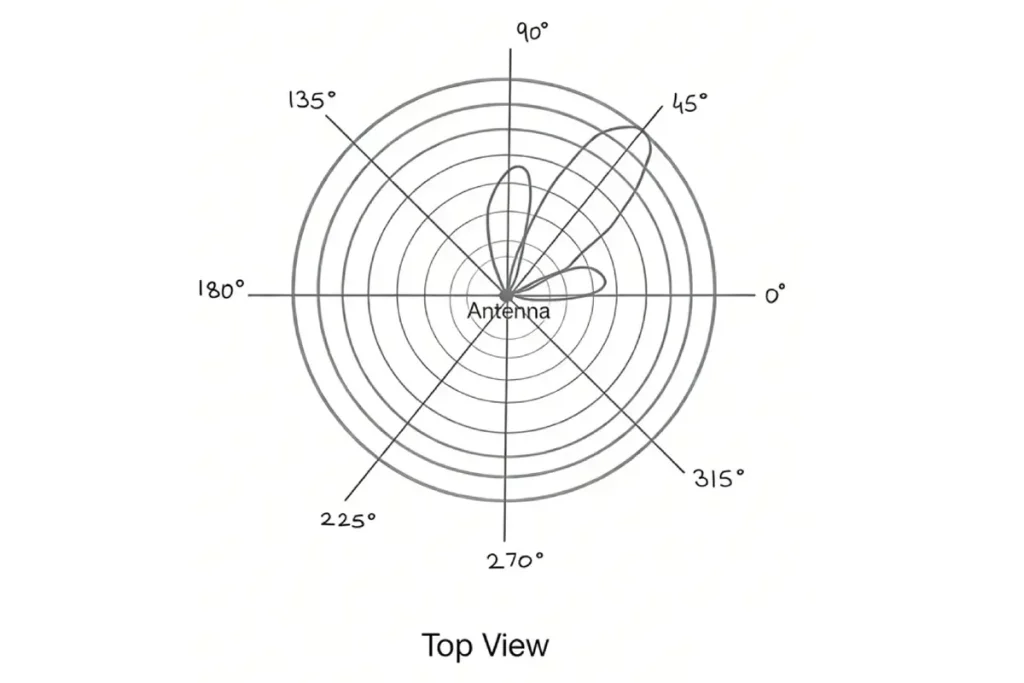
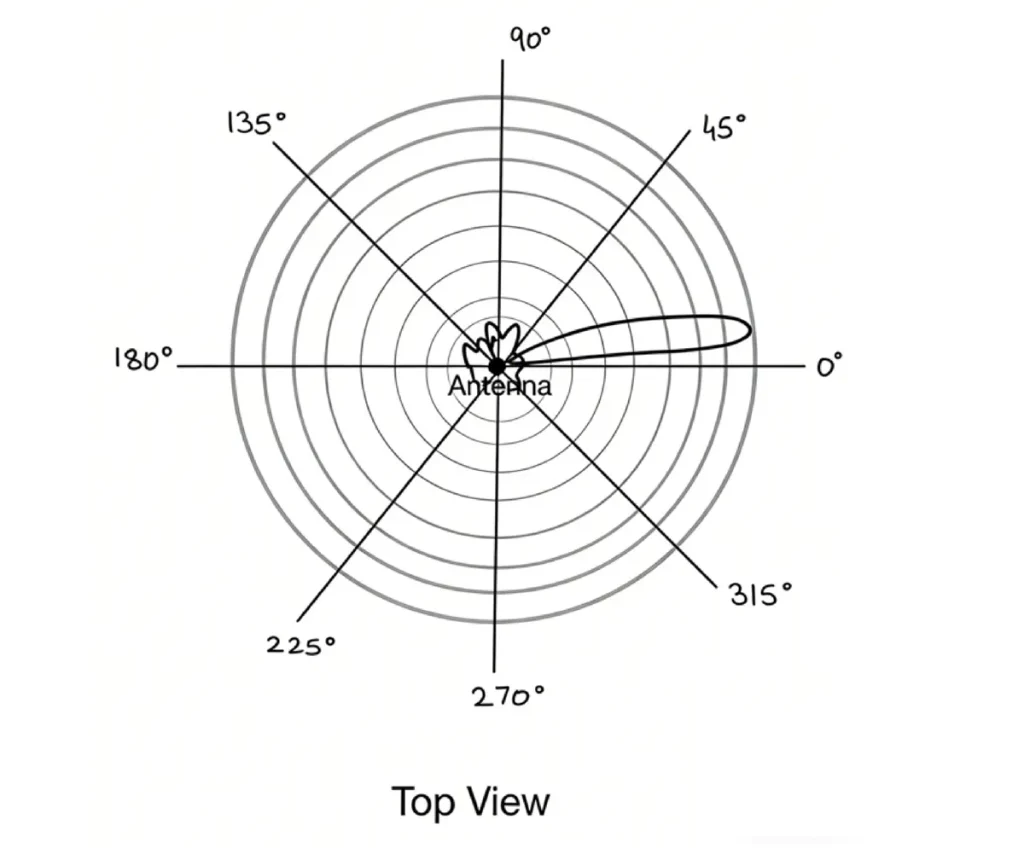
Directional antennas focus RF energy into a concentrated beam, similar to a flashlight. This concentration results in higher gain and extended range in a specific direction, making them suitable for point-to-point links or covering a long, narrow area. They are excellent for overcoming distance limitations and reducing interference from unwanted directions. They help reduce interference and can achieve higher data rates over longer distances compared to omnidirectional antennas. Typical use: Point-to-point links, outdoor transmission.
Semi-Directional Antennas
Semi-directional antennas offer a compromise between omnidirectional and highly directional types. They concentrate the signal over a wider angle than highly directional antennas (usually between 90° to 120°) but still provide more gain and range than omnidirectional antennas. They are useful for covering a specific sector or a larger hall. Typical types: Patch, panel, Yagi.
Highly Directional Antennas
Highly directional antennas, also known as high-gain directional antennas, produce a very narrow and highly focused beam. This extreme focus allows for maximum signal strength and range over very long distances. They are primarily used for long-distance point-to-point wireless links where precision and high signal strength are critical. Yagi and parabolic dish antennas are prime examples of highly directional types. Typical use: Long-distance wireless bridges, backhaul links.
By Frequency Band
WiFi operates across different frequency bands, and antennas are designed to resonate optimally within these specific ranges.
2.4 GHz Antennas
These antennas are designed specifically for the 2.4 GHz band (2400 MHz to 2483 MHz), which is widely used for WiFi (802.11b/g/n). This band offers a longer range and better penetration. So they are suitable for covering larger areas with fewer access points. But this band is often crowded with other devices (Bluetooth, microwaves, cordless phones), leading to potential interference.
5.8 GHz Antennas
5.8 GHz antennas are designed for the 5 GHz band (5150 MHz to 5850 MHz). This band offers higher data rates and less interference due to more available channels, and improved performance in dense environments. The trade-off is reduced range and poorer penetration compared to 2.4 GHz. These antennas are ideal for high-bandwidth applications in environments with good line-of-sight, such as within a single room or office.
Dual-band / Tri-Band Antennas
Dual-band antennas are capable of operating simultaneously on both the 2.4 GHz and 5 GHz WiFi bands, providing flexibility and optimal performance across both. Tri-band antennas extend this capability to include the newer 6 GHz band (5925 MHz to 7.125 MHz, for WiFi 6E), allowing devices to utilise all three frequency ranges for even greater capacity and reduced congestion. These are common in modern wireless routers and access points to support a diverse range of client devices and optimise network traffic.
Wi-Fi 6E Antennas
These antennas (802.11ax extended to the 6 GHz band) utilise the newly available 6 GHz spectrum. Antennas designed for Wi-Fi 6E are specifically engineered to operate efficiently at this higher frequency, offering significantly more bandwidth, lower latency, and reduced interference compared to 2.4 GHz and 5 GHz bands. These antennas enable unprecedented speeds and capacity for compatible devices in environments with dense client populations.
By Structure and Technology Type
The physical design and underlying technology of an antenna significantly impact its performance characteristics.
Dipole Antennas
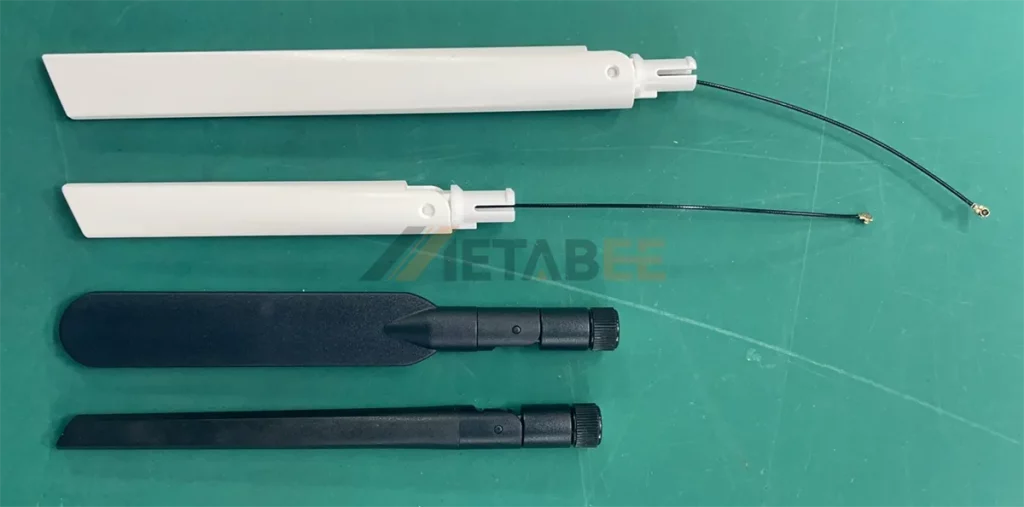
The most basic and common type, dipole antennas consist of two conductive elements aligned end-to-end. Often referred to as “rubber ducky” antennas, they are omnidirectional in their horizontal pattern and are widely used in consumer-grade routers, wireless cards, and access points due to their simplicity and cost-effectiveness. Metabee dipole (rubber ducky) antennas are designed for cost-effective and reliable general-purpose wireless connectivity.
PIFA (Planar Inverted-F Antenna)
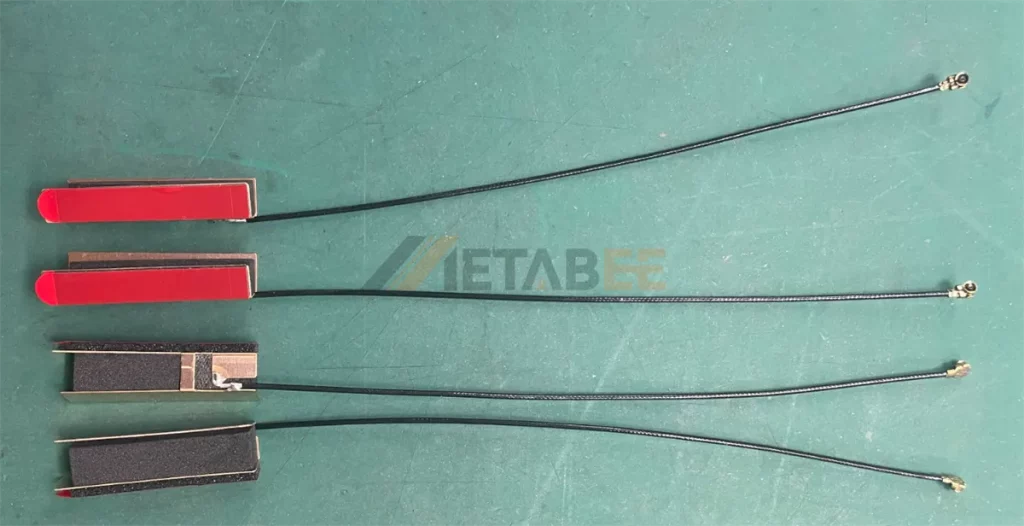
PIFA antennas are low-profile, internal antennas commonly found in smartphones, laptops, and other compact wireless devices. Their design allows them to be integrated directly onto a printed circuit board (PCB), saving space and providing good performance within their small footprint.
Panel/Patch Antennas
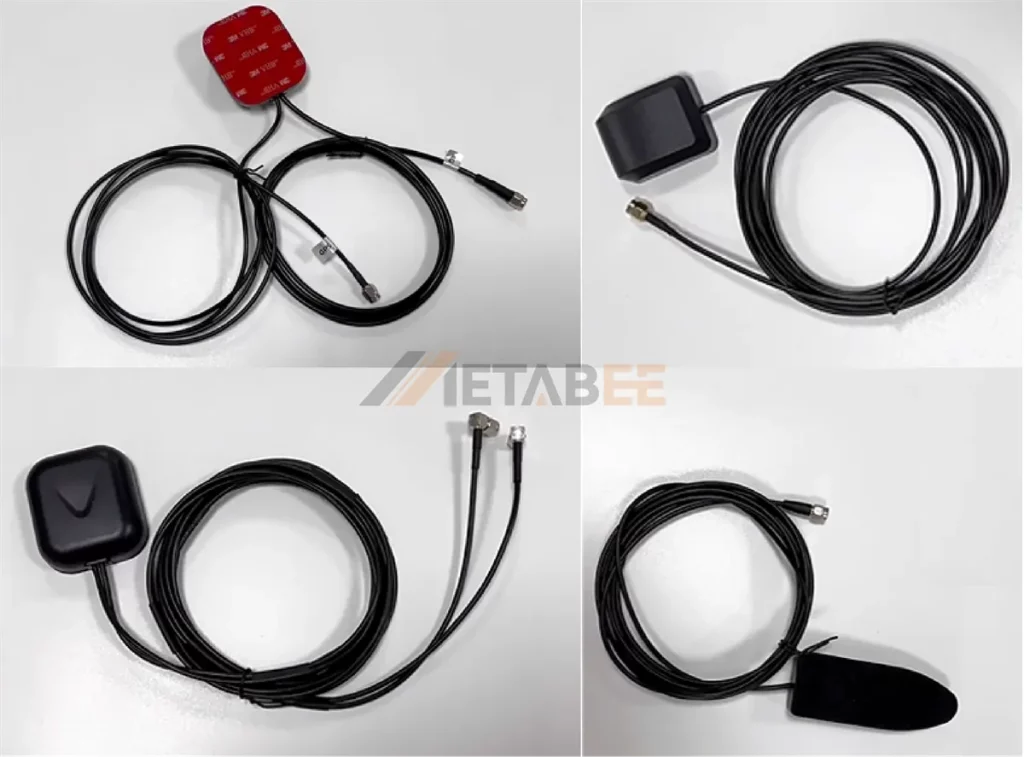
Panel or patch antennas are flat, directional antennas that can be mounted on walls or surfaces. They are planar, rectangular, or square in shape and consist of a flat, metallic sheet (patch) mounted above a ground plane. These are often used for aesthetic indoor wall mounting or as outdoor sector antennas.
Yagi Antennas
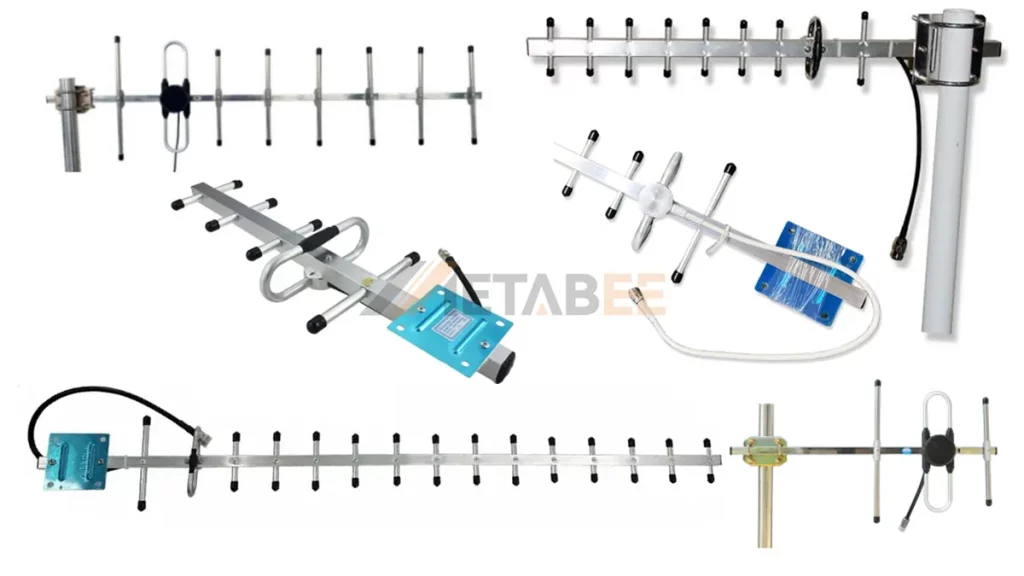
Yagi antennas are highly directional antennas. They consist of multiple parallel elements: a driven element, a reflector, and several directors. A ladder-like structure allows them to achieve high gain and a very narrow beam. So, they are excellent for long-distance point-to-point connections.
Ceiling Mount Antennas
The design purpose of ceiling-mount antennas is for discreet installation on ceilings, blending seamlessly into indoor environments. Shaped like a “mushroom” or “smoke detector,” they are typically omnidirectional or semi-directional, providing uniform coverage within a room or floor. So these are popular in offices, hotels, and large public spaces for aesthetic and functional reasons.

By Physical Mount
How an antenna is physically installed impacts its application and environmental suitability.
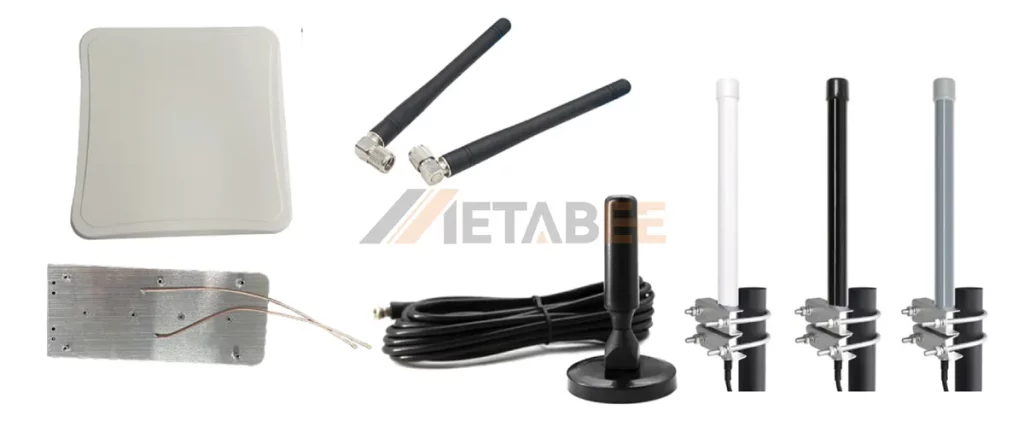
External Antennas
External antennas are detachable, separate from the main wireless device, and are typically connected via coaxial cables. Also, they offer flexibility, allowing users to upgrade or replace antennas to improve coverage, change directionality, or adapt to different environments.
Internal Antennas
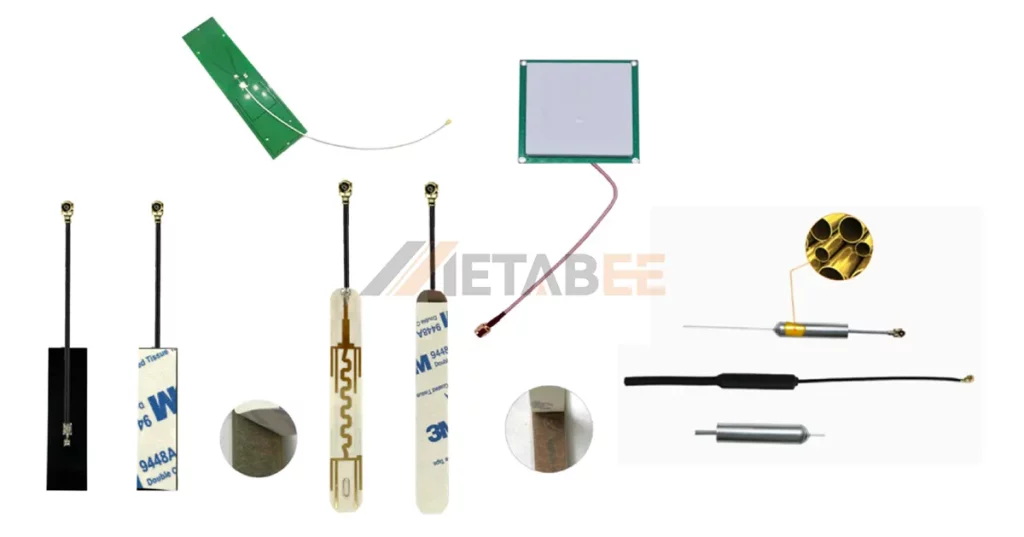
Internal / Embedded antennas are integrated directly into the device casing (FPC or PCB antennas). They are favoured for consumer electronics where aesthetics and compact size are a priority. They provide a clean design but limited performance compared to external antennas.
By Application Scenario
Antennas are often designed with specific use cases in mind, dictating their features and ruggedness.
Indoor Antennas
These antennas are optimized for environments protected from the elements. They include ceiling-mounted, wall-mounted, and embedded antennas. What’s more, they are designed for aesthetic integration and typically focus on pattern control within enclosed spaces.
Outdoor Antennas
Outdoor antenna designs require withstanding harsh environmental conditions, including rain, wind, UV radiation, and extreme temperatures. They feature robust, weatherproof enclosures (IP67/IP68 ratings) and specialised connectors to ensure durability and continuous operation.
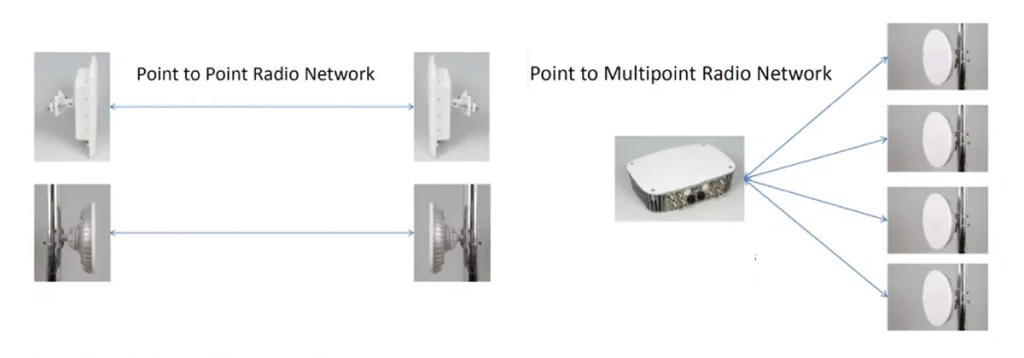
Point-to-Point vs Point-to-Multipoint:
- Point-to-Point (PtP): PtP uses two highly directional antennas to bridge two buildings.
- Point-to-Multipoint (PtMP): PtMP uses one omni or sector antenna to serve multiple remote directional antennas.
By Specialized & Advanced Technologies
Modern WiFi networks often leverage advanced antenna technologies to enhance performance, capacity, and reliability.
MIMO (Multiple-Input Multiple-Output)
MIMO technology utilises multiple antennas at both the transmitter and receiver to simultaneously send and receive multiple data streams over the same radio channel. This dramatically increases data throughput and spectral efficiency, improving overall network performance and reliability.
Sector Antennas
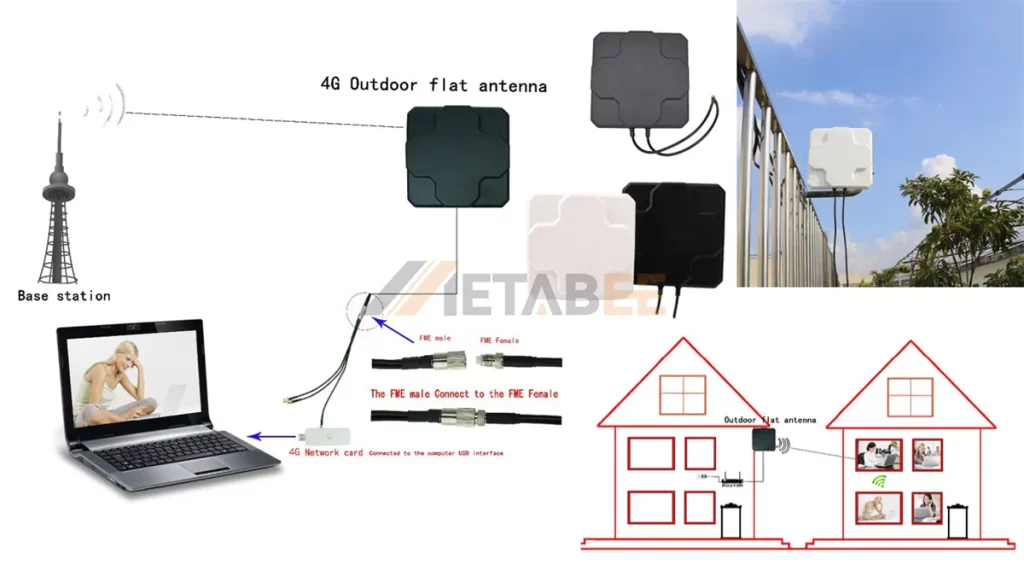
Sector antennas are a type of semi-directional antenna designed to cover a specific angular sector, typically 60, 90, or 120 degrees. They are frequently used in point-to-multipoint deployments and are widely suited in base stations and outdoor networks.
Smart Antennas (Beamforming)
Smart antennas, incorporating beamforming technology, dynamically adjust their radiation pattern to direct the wireless signal precisely towards client devices. This intelligent steering of the signal improves signal strength, reduces interference, and extends range.
WiFi Antenna Types Comparison Table
The following comparison table summarises the most common WiFi antenna types, helping you quickly identify the best option based on coverage, gain, and application.
| Antenna Type | Directionality | Gain | Best Use Case |
|---|---|---|---|
| Dipole/rubber ducky | Omnidirectional | 5-7dBi | Home routers, general office coverage |
| Panel/Patch | Semi-Directional | 6-14dBi | Wall-mount, hallways, parking lots |
| Yagi | Directional | 12-18dBi | Outdoor Point-to-Point |
| Parabolic Dish | Highly Directional | 20-30+dBi | Long-distance backhauls |
| Ceiling Mount | Omnidirectional | 5-7dBi | Discreet enterprise indoor WiFi |
| PIFA | Omnidirectional | 0-3dBi | Embedded devices |
| Sector | Directional | 12-20dBi | Outdoor Area Coverage |
How to Choose the Right WiFi Antenna?
Selecting the optimal WiFi antenna is a critical decision that directly impacts the performance, reliability, and cost-effectiveness of your wireless network.
Gain
The required gain depends directly on the desired range and coverage area.
- High-Gain Antennas: Focus the signal into a narrower beam to reach further distances. However, this creates smaller coverage “sweet spots.”
- Low-Gain Antennas: Provide a more “bulbous” or rounded coverage area, making them better for multi-story indoor environments where vertical coverage is needed.
- Pro Tip: Increasing gain doesn’t add power; it simply redistributes it. So, ensure your gain levels comply with local EIRP (Effective Isotropic Radiated Power) regulations.
Polarization
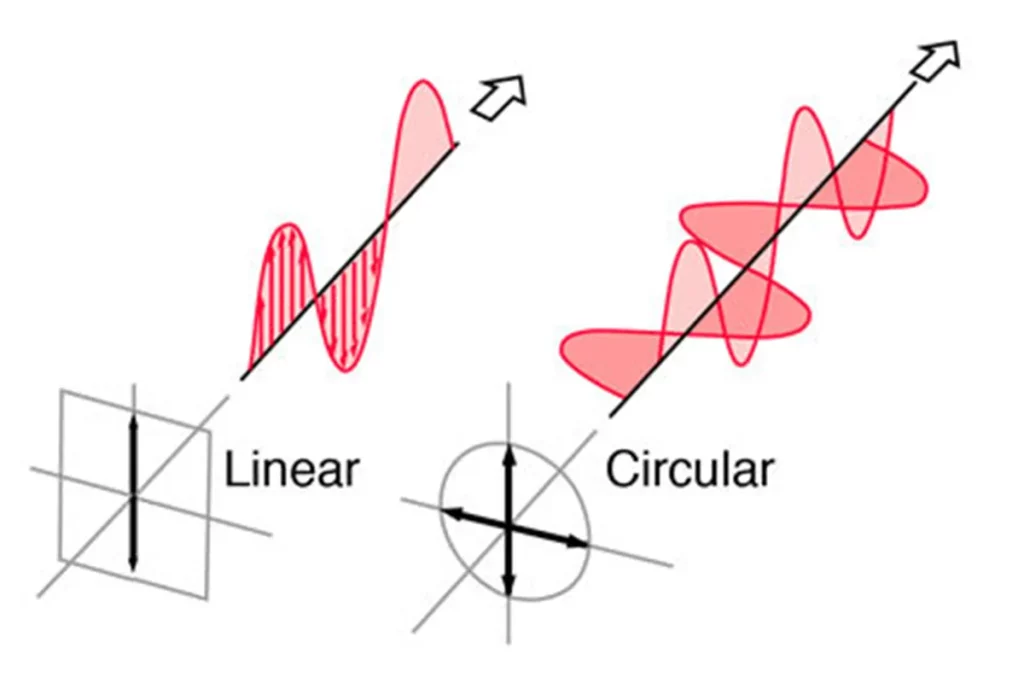
For a stable link, the transmitting and receiving antennas should have the same polarisation (the orientation of the electric field).
- Linear(Vertical or Horizontal) Polarisation: Vertical or Horizontal. Standard for most outdoor point-to-point links.
- Circular Polarisation: Often used in environments with heavy obstacles to combat multipath interference.
Frequency Band
WiFi operates on different frequency bands, primarily 2.4 GHz, 5 GHz, and more recently, 6 GHz (with WiFi 6E). Each band has distinct characteristics that influence signal propagation and antenna choice.
- 2.4 GHz Antennas: Offer longer range and better penetration through obstacles (walls, floors). However, this band is more congested and susceptible to interference from other devices (e.g., Bluetooth, microwaves).
- 5 GHz Antennas: Provide higher data rates and generally less interference due to more available channels. The trade-off is a shorter range and poorer penetration through obstructions. Ideal for high-bandwidth applications in environments with good line-of-sight.
- 6 GHz Antennas (WiFi 6E): The newest band, offering significantly higher capacity, lower latency, and virtually no legacy interference. Requires specific Wi-Fi 6E-compatible antennas and devices. Best for high-density environments and critical applications that require maximum performance over shorter distances.
- Dual-band/Tri-band Antennas: Offer versatility by supporting multiple frequency bands simultaneously, making them suitable for mixed environments with various client devices.
Environment
The physical surroundings dictate the type of antenna housing and radiation pattern required:
- Indoor: Consider obstacles like walls, furniture, and other electronic devices. Ceiling- or wall-mount antennas prefer aesthetics and optimal placement.
- Outdoor: Antennas must require IP-rated (e.g., IP67) enclosures to protect against moisture, dust, and UV degradation.
- Interference: In crowded RF environments (such as apartment blocks), directional antennas can help mitigate interference.
Distance Requirements
The distance over which you need to transmit or receive a WiFi signal is a primary determinant of antenna type and gain.
- Short Range (0–50m): Low-gain Omnidirectional.
- Medium Range (50–500 m): Patch or panel antennas.
- Long Range (1 km+): High-gain parabolic dishes or Yagi arrays to maintain a high signal-to-noise ratio (SNR).
Device Compatibility
Ensuring compatibility between the antenna and your wireless devices (access points, routers, network cards) is paramount. This involves checking several aspects:
- Connector Type: Antennas connect to devices via specific connector types (RP-SMA, N-Type, U.FL.). A mismatch will prevent connection without an adapter, causing insertion loss and weakening the signal.
- Frequency Support: The antenna must support the same frequency band(s) as your wireless device (e.g., 2.4 GHz, 5.8 GHz, dual-band).
- MIMO Support: If your device supports MIMO (Multiple-Input Multiple-Output), ensure the antenna setup can leverage this technology effectively, often requiring multiple antennas or specialised multi-element antennas.
- Impedance: Most WiFi equipment operates at 50-ohm impedance. Ensure the antenna matches this specification.
Tips: Learn more in our WiFi Antenna Connector Types guide.
Budget and Installation Complexity
Budget and the complexity of installation can significantly influence antenna selection.
- Installation: High-gain directional antennas require precise alignment (aiming), which may necessitate professional site surveys and specialised mounting brackets.
- Maintenance: External antennas may require lightning surge protectors and periodic cable inspections, adding to the long-term budget.
Conclusion
Selecting the appropriate WiFi antenna type is critical for achieving optimal wireless performance. In fact, as we’ve explored, antennas vary significantly by directionality, frequency band, physical structure, and application scenario, each offering unique advantages and trade-offs. Therefore, the optimal choice is not the antenna with the highest gain but the one that delivers the correct balance between coverage, range, and application requirements.
To make this determination, we must all carefully evaluate gain, polarisation, frequency band, environment, distance requirements, device compatibility, budget, and installation complexity as key factors.
At Metabee, we provide reliable WiFi antenna solutions for a wide range of wireless applications. . Contact us today for product recommendations, custom antenna requirements, or a quick quote..
Related Products
- WiFi Antennas
- Omni-Directional WiFi Antennas
- 2.4 GHz Antennas
- Rubber Duck Antennas
- Panel Mount Antennas
- Dual-Band WiFi Antennas
FAQ
Q1: What is the primary difference between omnidirectional and directional antennas?
A: The primary difference lies in signal coverage and focus:
- Omnidirectional antennas transmit and receive signals in all directions (360°), making them ideal for broad, general coverage areas such as homes and offices.
- Directional antennas concentrate signals in a specific direction, delivering higher gain and longer range but covering a narrower area.
Q2: What is the difference between 2.4 GHz and 5 GHz antennas?
A: 2.4 GHz offers longer range and better penetration, while 5 GHz provides higher speed and less interference.
Q3: Does higher dBi always mean better performance?
A: No. Higher gain increases range but reduces coverage area, making it unsuitable for wide-area deployments.
Q4: Which antenna is best for indoor use?
A: Omnidirectional or ceiling-mounted antennas are ideal for uniform indoor coverage.
Q5: What is the best antenna for long-distance communication?
A: Directional antennas, such as Yagi or panel antennas, provide the best long-range performance.
Q6: Are dual-band antennas necessary?
A: Yes, for modern networks requiring compatibility with both 2.4 GHz and 5 GHz bands.
Q7: What is beamforming?
A: Beamforming is a smart antenna technology that directs signals toward specific devices, improving efficiency and reducing interference.
Q8: Do I need an antenna for WiFi 6E?
A: Yes. WiFi 6E utilises the 6 GHz band.
Q9: Why choose Metabee WiFi antennas?
A: Metabee WiFi antennas offer reliable performance, a wide selection, and strong supply capabilities, backed by professional testing and global delivery support.
Q10: What connector does a WiFi antenna use?
A: Most WiFi antennas use SMA, RP-SMA, N-Type, U.FL, or MHF4 connectors, depending on the application. External routers typically use SMA or RP-SMA, while embedded modules often use U.FL connectors. Read the complete WiFi Antenna Connector Types Guide for detailed comparisons.
